Chenpi (dried tangerine peel) is not only a precious traditional Chinese medicine but also a beloved tea material for health enthusiasts. Authentic Pubei Chenpi offers a mellow taste with a rich aged aroma and a clear sweet aftertaste, effectively strengthening the spleen, regulating qi, and resolving phlegm. Mastering the correct brewing method is key to unlocking its medicinal efficacy and flavor.
Preparation Phase
1. Selecting High-Quality Chenpi
Quality Chenpi is the foundation of a good brew. Good Chenpi has a bright or deep surface color (depending on age), a relatively hard and brittle texture (well-aged), and a pure fragrance without mustiness. It is recommended to choose Pubei Chenpi aged for at least 3 years for a smoother taste.
2. Preparing Equipment and Water
- Teaware: A Yixing purple clay teapot (excellent breathability helps release aged aroma) or a gaiwan is preferred; glass cups are good for observing the color.
- Water: Spring water or purified water is recommended.
- Temperature: Chenpi is heat-resistant; brewing water should be between 90°C and 100°C.
Brewing Steps
3. Rinsing and "Waking Up" the Peel
Place an appropriate amount of Chenpi (suggested 2-3g per 150ml of water) into the teaware. Rinse quickly with warm water to remove surface dust. Then, pour in hot water to scald the peel and discard the water immediately. This step, called "waking up the peel," removes miscellaneous odors and awakens the aroma.
4. Official Brewing
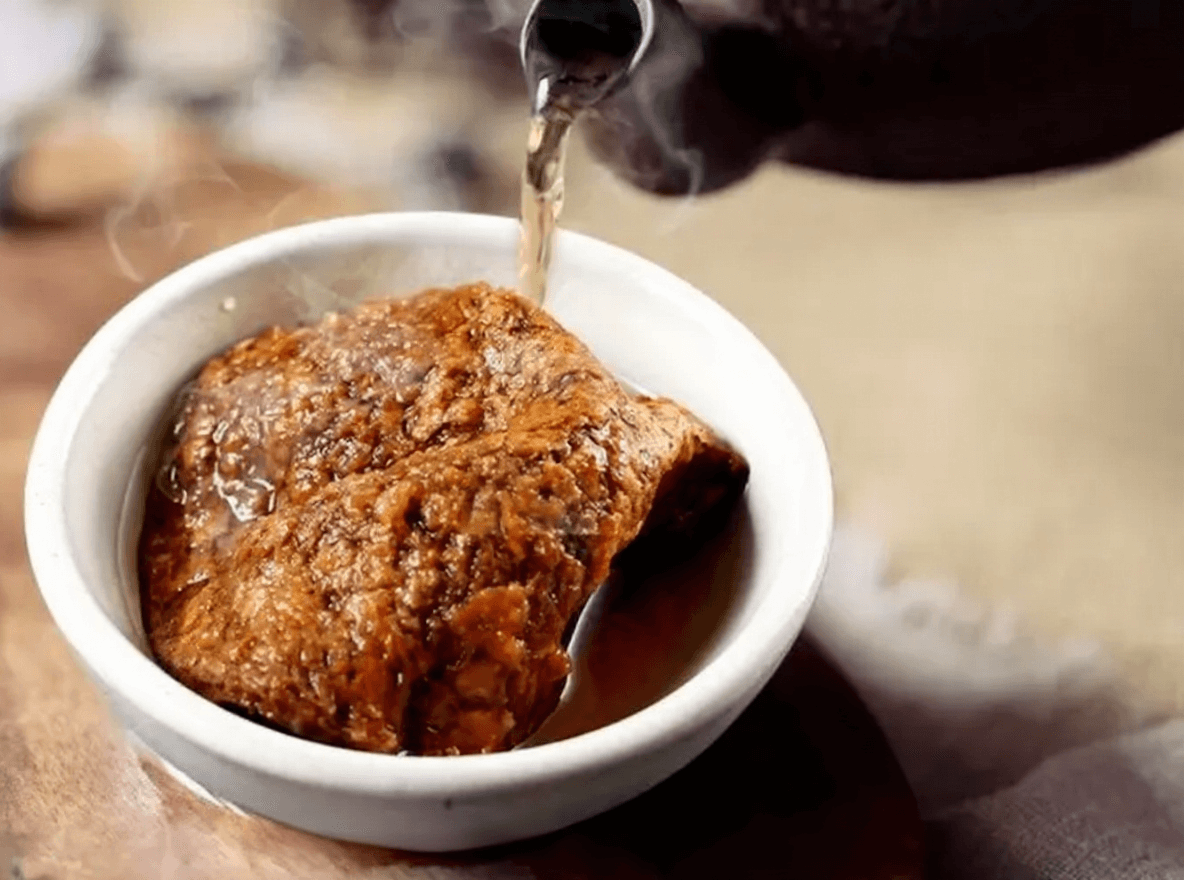
Pour in boiling water again. Chenpi releases flavor slower than tea leaves; the initial brewing time is suggested to be 2-3 minutes. You can gradually extend the steeping time as the number of infusions increases.
5. Serving and Tasting
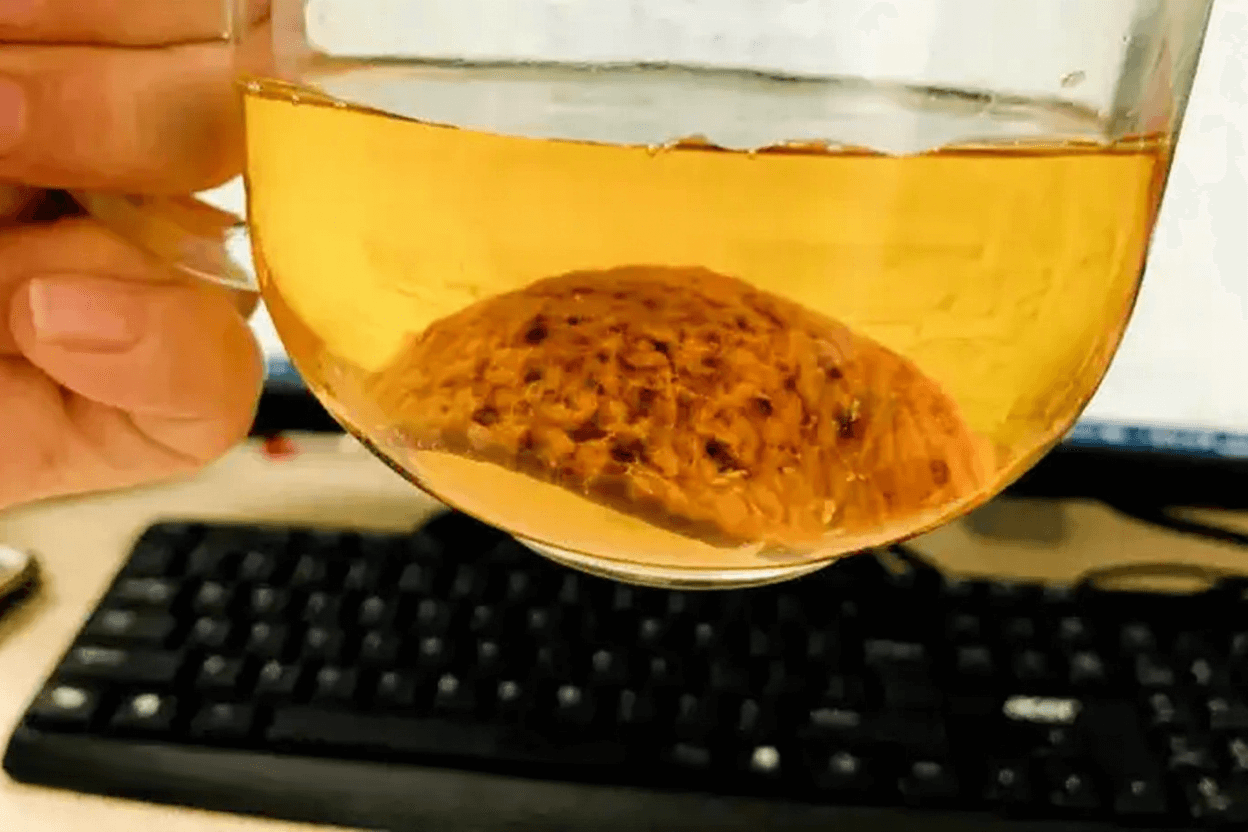
Pour the tea soup into a fairness cup and enjoy. Authentic Chenpi tea has a transparent golden color and a long-lasting rich aroma. The initial taste may be slightly bitter, but it quickly turns mellow and sweet with a lingering aftertaste.
Advanced Tips and Precautions
- Torn or Whole? If you seek a rich flavor, tear the Chenpi into small pieces; if you prefer a subtle, slow release, use the whole piece.
- Boiling Method: For older Chenpi (aged over 5 years), using a tea boiler is more effective in fully releasing the internal nutrients.
- Pairing Suggestions: Chenpi can be paired with Pu-erh, White tea, or Black tea to add depth to the flavor.
By following these simple steps, you can easily enjoy a fragrant and throat-soothing cup of authentic Chenpi tea at home.