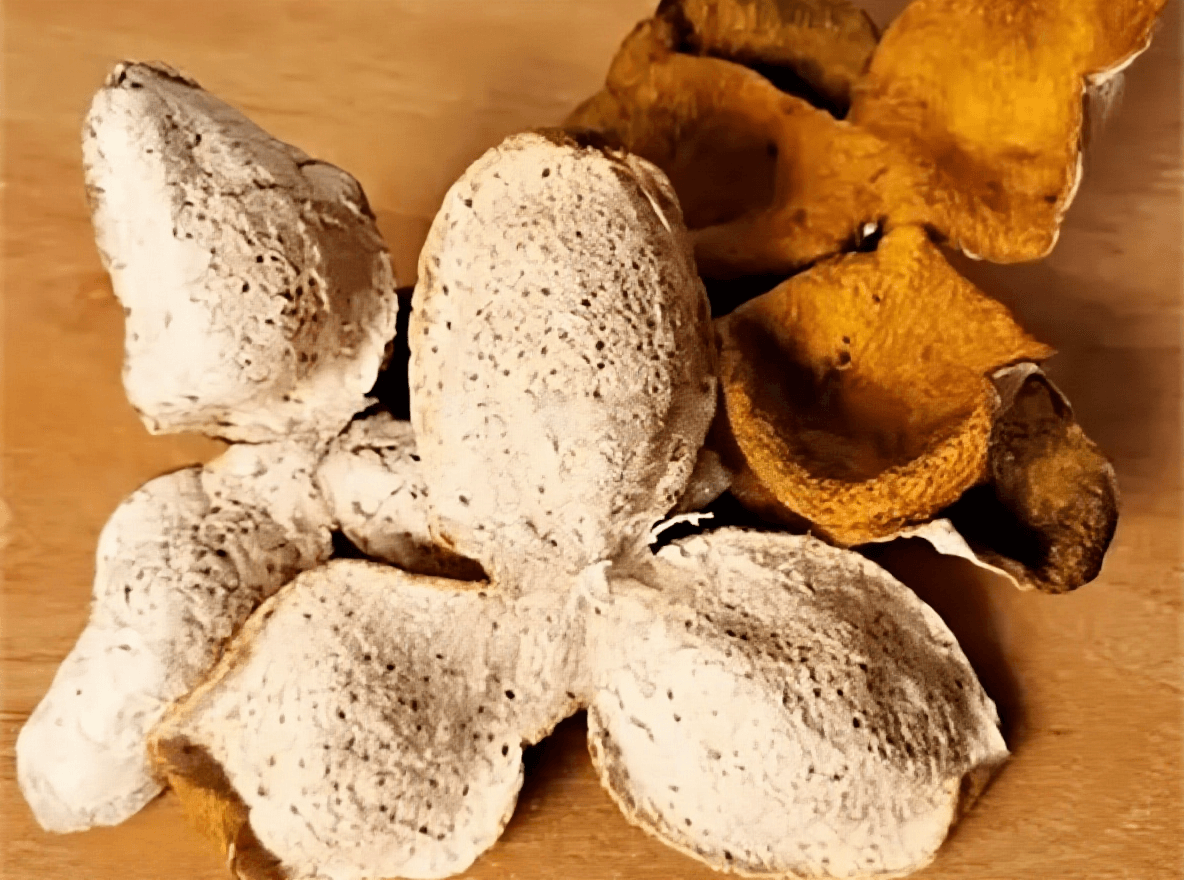
Bitterness is a common issue encountered by many beginners when drinking Chenpi (dried tangerine peel) water. While Chenpi naturally contains bitter compounds, excessive bitterness is often the result of improper selection, handling, or brewing. By following these five tips, you can effectively alleviate the bitterness and enjoy a smoother flavor.
I. Understanding the Source of Bitterness
The bitterness in Chenpi primarily stems from two factors:
- Chemical Components: Hesperidin (a flavonoid) and limonoids within the peel. These are more concentrated in new or young peels.
- Physical Structure: The inner white pith (albedo) contains a higher concentration of bitter substances.
II. Practical Tips to Alleviate Bitterness
1. Prioritize High-Aged Chenpi
Age is the core determinant of flavor. It is recommended to choose Pubei Chenpi aged for at least 5 years, ideally over 10 years. As it ages, bitter components gradually transform into sweet and mellow substances, allowing the aged fragrance to shine.
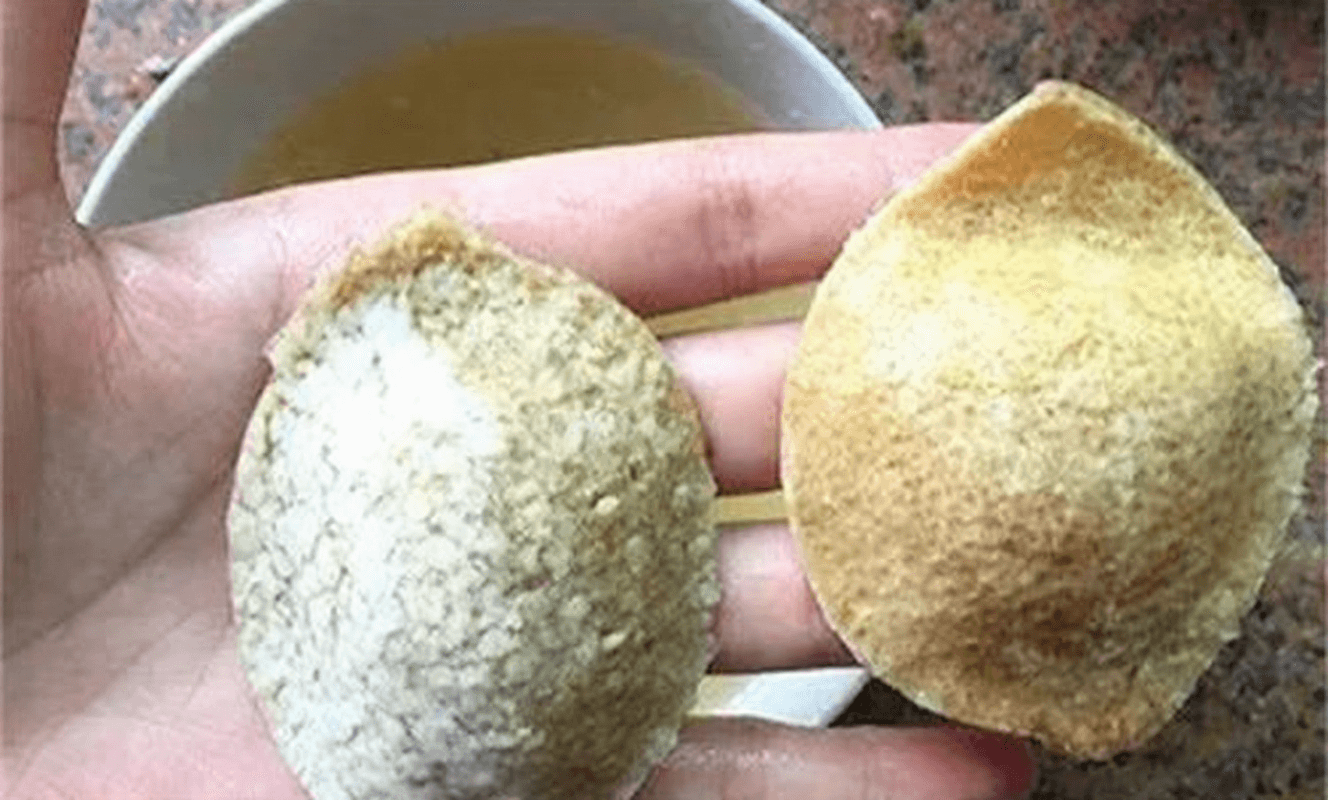
2. Manually Remove the White Pith
Before brewing, use a small knife or your fingernail to gently scrape off the white inner layer of the Chenpi. While the pith has its own medicinal value, removing it can significantly reduce bitterness and make the taste cleaner.
3. Rinsing and "Waking Up" the Peel
- Rinse the First Brew: Quickly rinse the peel with warm water and discard it to remove surface dust and some of the initially released bitterness.
- Control Water Temperature: For young Chenpi, avoid using 100°C boiling water directly. Using water at 85-90°C can slow down the rapid extraction of bitter compounds.
4. Precisely Control Dosage and Steeping Time
- Dosage: A suggested ratio is 2-3 grams of Chenpi per 150ml of water.
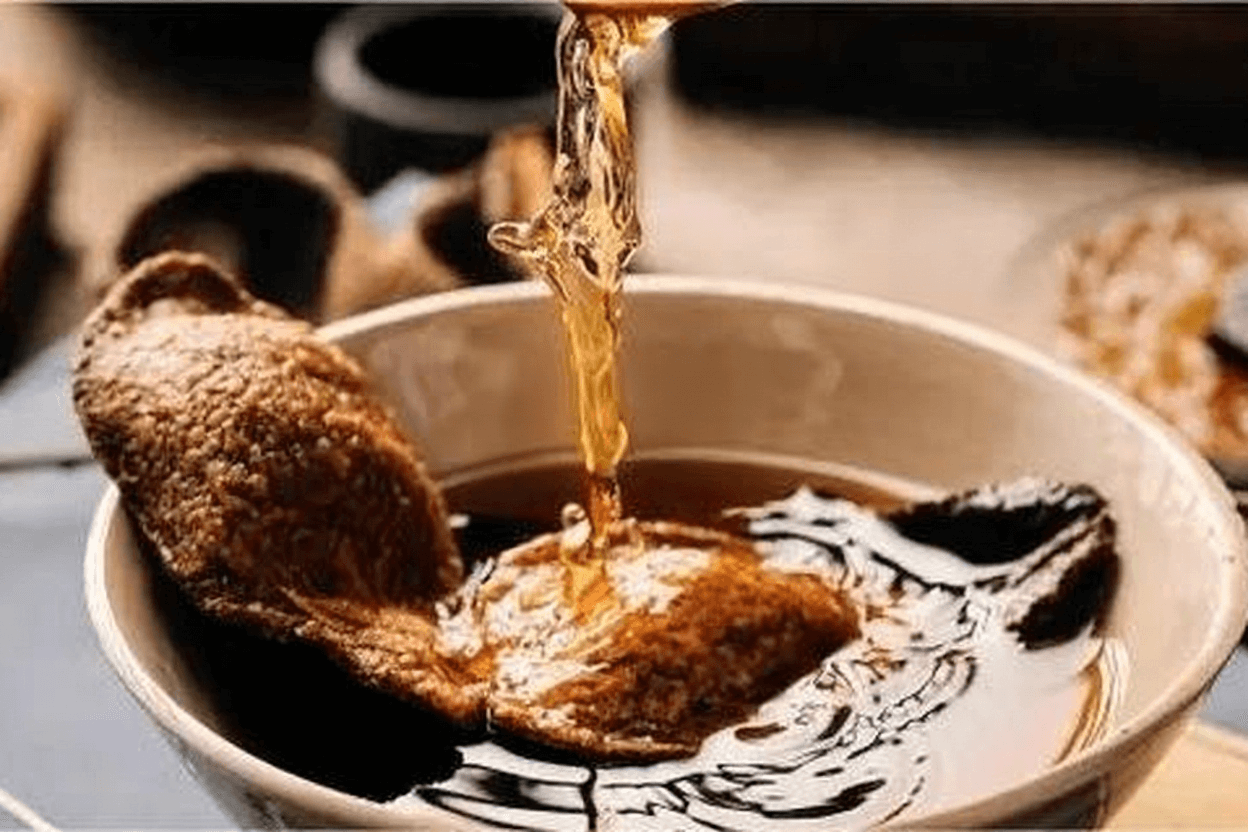
- Pour Promptly: Chenpi should not be left in the pot for too long. It is recommended to pour out the tea after 3-5 minutes of steeping to prevent over-extraction of bitter substances.
5. Use Additives for Flavor Neutralization
If bitterness persists, consider adding the following to harmonize the taste:
- Sweet Ingredients: Red dates, goji berries, honey, or a small amount of rock sugar.
- Floral Scents: Rosebuds or chrysanthemums can use their aroma to mask the bitterness.
- Tea Blending: Brew together with ripe Pu-erh; the richness of Pu-erh can embrace the slight bitterness of Chenpi.
Summary
Bitterness in Chenpi tea does not necessarily mean poor quality; it often just requires more refined handling. By adjusting your method with these tips, you will surely find the perfect balance that makes this healthy tea both beneficial and delicious.