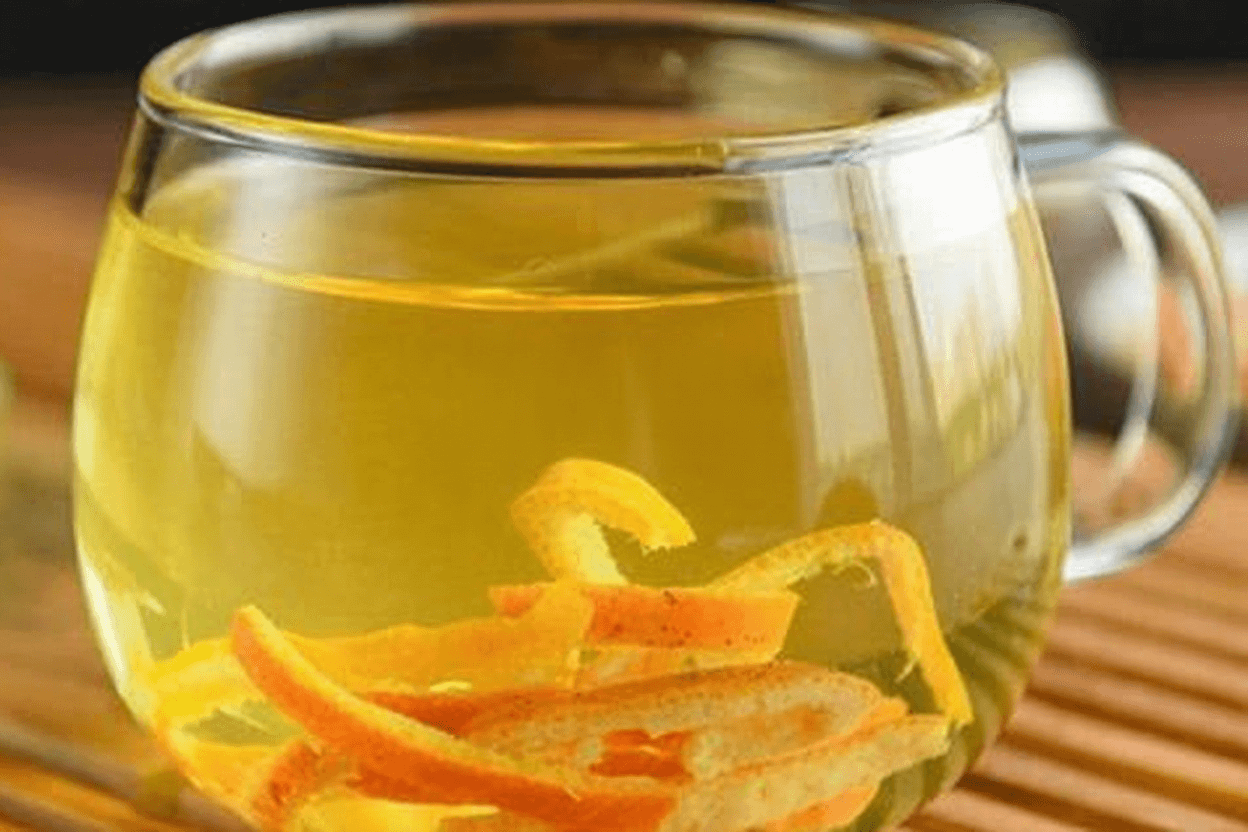
Drinking dried tangerine peel water (commonly known as Chenpi water) is a traditional health practice in Chinese medicine. Its primary health benefits stem from Chenpi, which is formed after tangerine peels are dried and aged. Chenpi is not only a common seasoning but also a valuable ingredient that shares both medicinal and food origins. Below are the main benefits and effects of drinking dried tangerine peel water.
Primary Benefits of Dried Tangerine Peel Water
1. Regulating Qi and Strengthening the Spleen
Drinking dried tangerine peel water can effectively relieve symptoms of spleen and stomach qi stagnation, such as abdominal bloating, belching, and poor appetite. It is particularly suitable for spleen and stomach dysfunction caused by improper diet, indigestion, or emotional stress.
2. Drying Dampness and Resolving Phlegm
Chenpi has a significant effect on drying dampness and resolving phlegm. It can improve symptoms of damp-phlegm such as coughing with excessive phlegm, thick white phlegm, and chest tightness. It serves as an auxiliary aid for chronic bronchitis or persistent coughs following a cold.
3. Promoting Digestion
Chenpi water can stimulate the secretion of gastric juice and enhance gastrointestinal motility, helping to digest greasy foods. Regularly drinking Chenpi water helps alleviate discomforts such as post-meal bloating, nausea, and vomiting.
4. Relieving Vomiting
Chenpi has a warming effect on the middle warmer to stop vomiting, especially for vomiting caused by stomach cold (such as stomach discomfort after catching a cold).
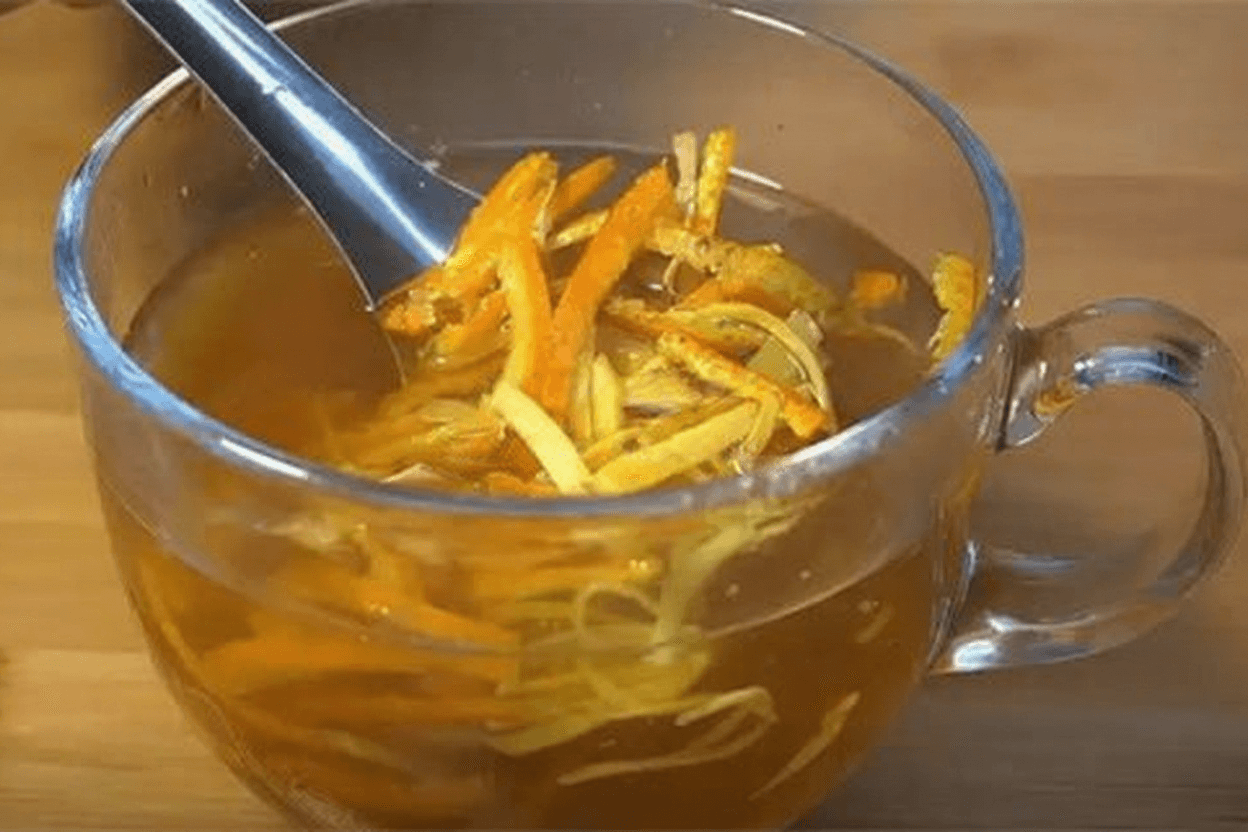
5. Antioxidant and Anti-inflammatory Properties
Modern pharmacological studies indicate that flavonoids in Chenpi (such as hesperidin) have good antioxidant properties, which can help clear free radicals in the body and reduce inflammatory reactions.
Recommended Groups
- Those with Weak Spleen and Stomach: People who frequently experience bloating, diarrhea, or poor appetite.
- Those with Damp-Phlegm Constitution: People who are overweight, have a thick and greasy tongue coating, or are easily fatigued.
- Those with Respiratory Discomfort: Patients with chronic pharyngitis or frequent coughing with phlegm (recommended to use based on syndrome differentiation).
- Those with Indigestion: People who suffer from post-meal bloating, hiccuping, or acid reflux.
Brief Scientific Basis
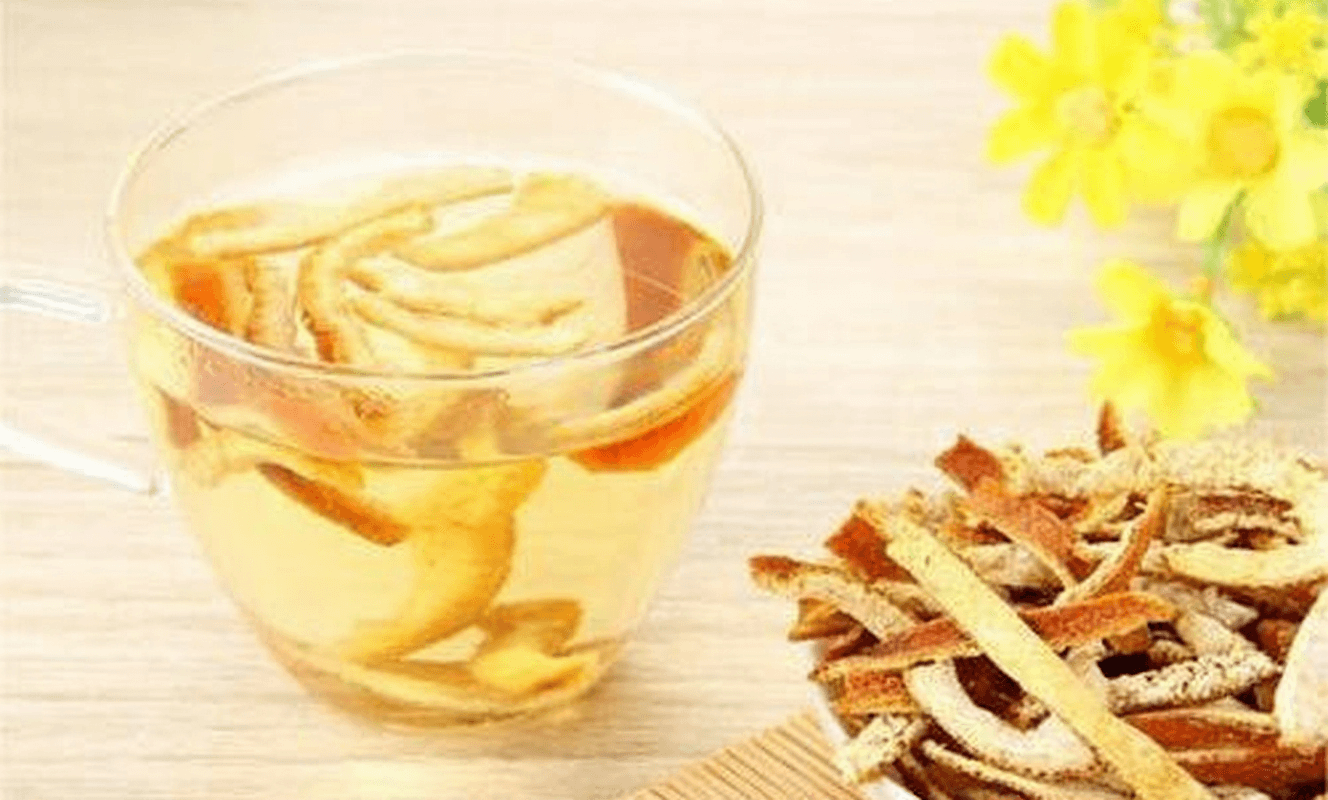
Modern research shows that volatile oils in Chenpi (such as limonene) can promote the secretion of digestive juices, and flavonoids (such as hesperidin and nobiletin) have significant anti-inflammatory and antioxidant effects. It should be noted that Chenpi is primarily an auxiliary dietary tool and cannot replace medical treatment for serious diseases. It is recommended to consult a professional before consumption.