Chenpi (dried tangerine peel), a treasured wellness ingredient with thousands of years of history, is beloved for its unique ability to regulate qi, strengthen the spleen, and resolve dampness with phlegm. Pubei Chenpi, as a Chinese geographical indication product, stands out among chenpi varieties for its superior quality and distinctive flavor. Today, let's explore the golden pairings for chenpi tea and their health benefits.
Basic Health Benefits of Chenpi Tea
Chenpi is warm in nature, bitter and acrid in taste, and belongs to the lung, spleen, and stomach meridians. Its main benefits include:
1. Regulating Qi and Strengthening the Spleen
Chenpi helps regulate qi circulation, relieving symptoms such as stomach pain, bloating, and indigestion caused by emotional stress or irregular eating habits. Thanks to its unique aging environment, Pubei Chenpi contains rich volatile oils, making its qi-regulating effects even more pronounced.
2. Resolving Dampness and Phlegm
For respiratory issues like cough with phlegm and throat discomfort, chenpi offers significant relief. It helps smooth the respiratory tract, reduce phlegm production, and promote phlegm expulsion.
3. Strengthening the Stomach and Aiding Digestion
Chenpi contains abundant volatile oils that can promote gastric juice secretion, increase gastrointestinal motility, improve digestive function, and relieve symptoms like stomach pain, bloating, and indigestion.
Golden Pairings for Chenpi Tea
1. Chenpi + Pu-erh Tea (Classic Pairing)
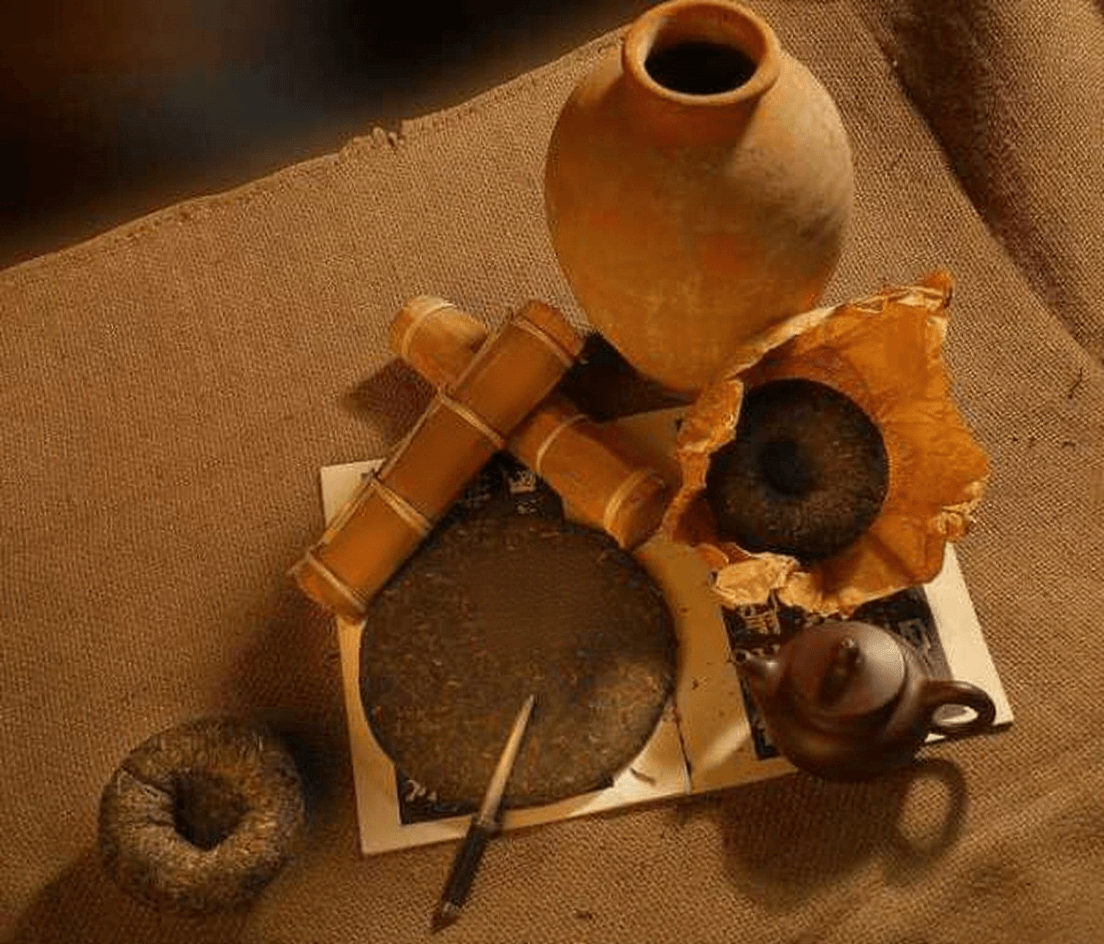
This is the most classic pairing for chenpi tea, truly a golden combination. Legend has it that during the Daoguang era of the Qing Dynasty, this pairing originated from a happy accident but has since become an enduring favorite.
Benefits:
- Pu-erh tea is mild in nature and helps warm the stomach, reduce lipids, and lower blood pressure
- When paired with chenpi, it enhances qi regulation, spleen strengthening, and digestion
- Especially suitable for drinking after meals to aid digestion and relieve greasiness
Suitable for: Those with indigestion, oily diet, or cold stomach constitution
Brewing Tips:
- Take 3-5g of Pubei Chenpi and 5-8g of Pu-erh tea
- First "wake the peel" with hot water for 1 minute, then discard the liquid
- Add boiling water and steep for 3-5 minutes before drinking
2. Chenpi + Honey (Stomach-Nourishing Choice)
Benefits:
- Honey has the effects of tonifying the middle, moistening dryness, relieving pain, and detoxifying
- When paired with chenpi, it helps soothe the liver, strengthen the spleen, nourish the stomach, and moisten the lungs
- Especially suitable for those with stomach discomfort and poor appetite
Suitable for: Those with stomach pain, indigestion, or throat discomfort
Brewing Tips:
- First brew chenpi with boiling water, let it cool to below 60°C
- Add appropriate amount of honey to taste
- Avoid high temperatures that can damage honey's nutrients
3. Chenpi + Hawthorn (Digestion and Food Stagnation Relief)
Benefits:
- Hawthorn helps with digestion and promotes blood circulation to remove stasis
- When paired with chenpi, it enhances digestive function and relieves bloating and fullness
- Especially suitable for those with food stagnation and indigestion
Suitable for: Those with indigestion, bloating, or food stagnation
Brewing Tips:
- 3g chenpi, 5g dried hawthorn slices
- Brew with boiling water and steep for 5-10 minutes
- Add a small amount of rock sugar to taste
4. Chenpi + Red Dates (Qi and Blood Tonic)
Benefits:
- Red dates help tonify qi, nourish blood, and calm the mind
- When paired with chenpi, it strengthens the spleen, nourishes the stomach, tonifies qi, and nourishes blood
- Especially suitable for those with insufficient qi and blood or sallow complexion
Suitable for: Those with qi and blood deficiency, weak constitution, women
Brewing Tips:
- 3g chenpi, 3-5 red dates (cracked open)
- Brew with boiling water and steep for 10 minutes
- Can be re-steeped 2-3 times
5. Chenpi + Chrysanthemum (Clearing Liver and Brightening Eyes)
Benefits:
- Chrysanthemum helps clear heat, detoxify, soothe the liver, and brighten the eyes
- When paired with chenpi, it helps clear liver fire, regulate qi, and strengthen the spleen
- Especially suitable for those with excessive liver fire or eye fatigue
Suitable for: Those who use their eyes frequently, have excessive liver fire, or experience bitter taste and dry mouth
Brewing Tips:
- 3g chenpi, 5-8 chrysanthemum flowers
- Brew with boiling water and steep for 3-5 minutes
- Add a small amount of honey to taste
6. Chenpi + Rose (Soothing Liver and Relieving Stagnation)
Benefits:
- Rose helps soothe the liver, regulate qi, and promote blood circulation for menstruation regulation
- When paired with chenpi, it helps soothe the liver, relieve stagnation, regulate qi, and relieve pain
- Especially suitable for those with emotional stagnation or chest tightness
Suitable for: Those under high stress, with poor mood, women
Brewing Tips:
- 3g chenpi, 3-5 rose buds
- Brew with boiling water and steep for 5 minutes
- Recommended for afternoon or evening consumption
Precautions for Chenpi Tea
1. Choose Quality Chenpi
It's recommended to choose aged Pubei Chenpi for a milder taste and better effects. Chenpi aged less than 10 years has a slightly bitter taste and is more suitable for soups, desserts, or as a cooking seasoning.
2. Control Steeping Time
Don't steep chenpi for too long to avoid overly bitter tea. Generally, 3-5 minutes is recommended, with a maximum of 10 minutes.
3. Drink in Moderation
Chenpi is warm in nature. Those with yin deficiency, dry cough, or internal heat should not drink excessively. 1-2 cups per day is recommended.
4. Special Precautions
- Pregnant women should use with caution
- Those with excessive stomach acid should not drink on an empty stomach
- Those taking certain medications should consult a doctor
Conclusion
Chenpi tea is simple to prepare yet offers significant health benefits. Whether it's the classic Chenpi Pu-erh, the stomach-nourishing Chenpi Honey, or the digestion-aiding Chenpi Hawthorn, all can bring benefits to our health. Choose quality Pubei Chenpi and pair it with ingredients that suit you to make wellness simple and enjoyable.
Remember, wellness lies in consistency, but it should also be personalized and moderate. We hope this article helps you choose the right chenpi tea pairing for your needs.
References
- Chinese Pharmacopoeia - Chenpi Quality Standards
- Pubei Chenpi Geographical Indication Product Protection Announcement
- National Administration of Traditional Chinese Medicine - Clinical Application Guide for Chenpi
Recommended Reading: