Chenpi is commonly made by natural sun-drying or by multiple steaming-and-drying cycles. Below is a practical summary of typical steps and storage practices for small-scale or home use.
Making Process
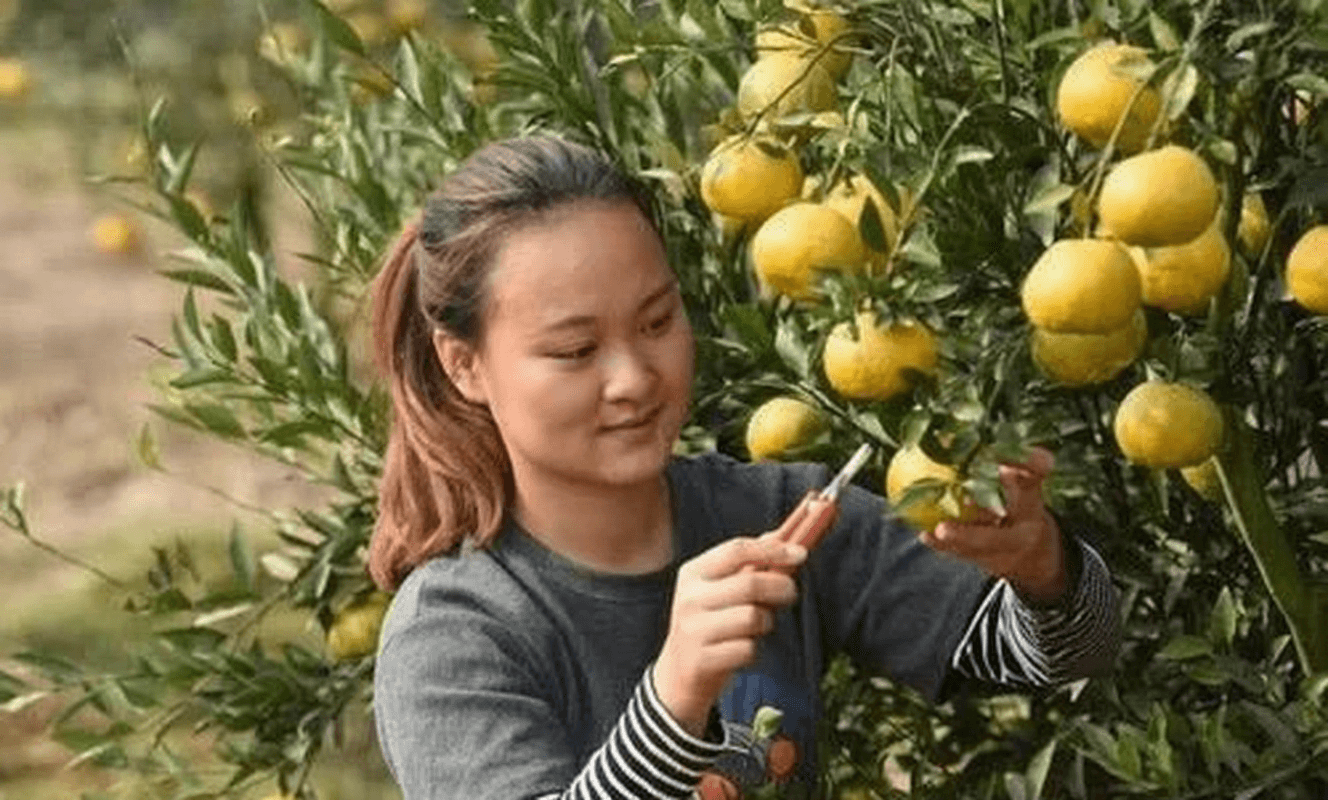
- Harvest: Choose mature citrus fruit. Varieties with thicker peel are generally easier to process.
- Wash: Soak the fruit in clean water; a small amount of flour or baking soda can be added for about 10 minutes. Rub each fruit, rinse well, then spread to air-dry the surface moisture.
- Cut the peel: Use a tool to cut the peel into three or four connected sections.
- Turn the peel: Lay the opened peel on bamboo mats or a ventilated rack and sun-dry. When the peel softens, turn it so the white pith faces outward for more even drying.
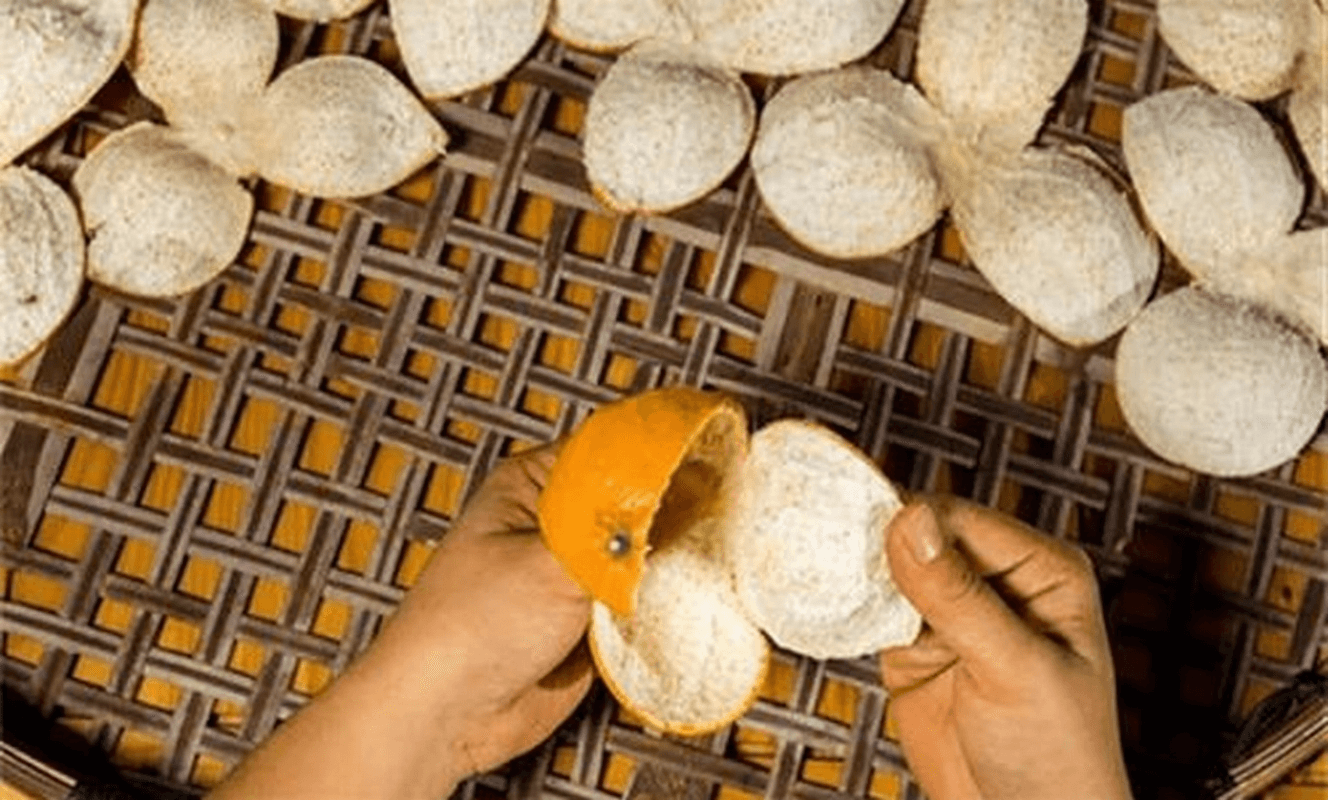
- Sun-dry: Dry the fresh peel under sunlight, typically with the pith side up to speed drying.
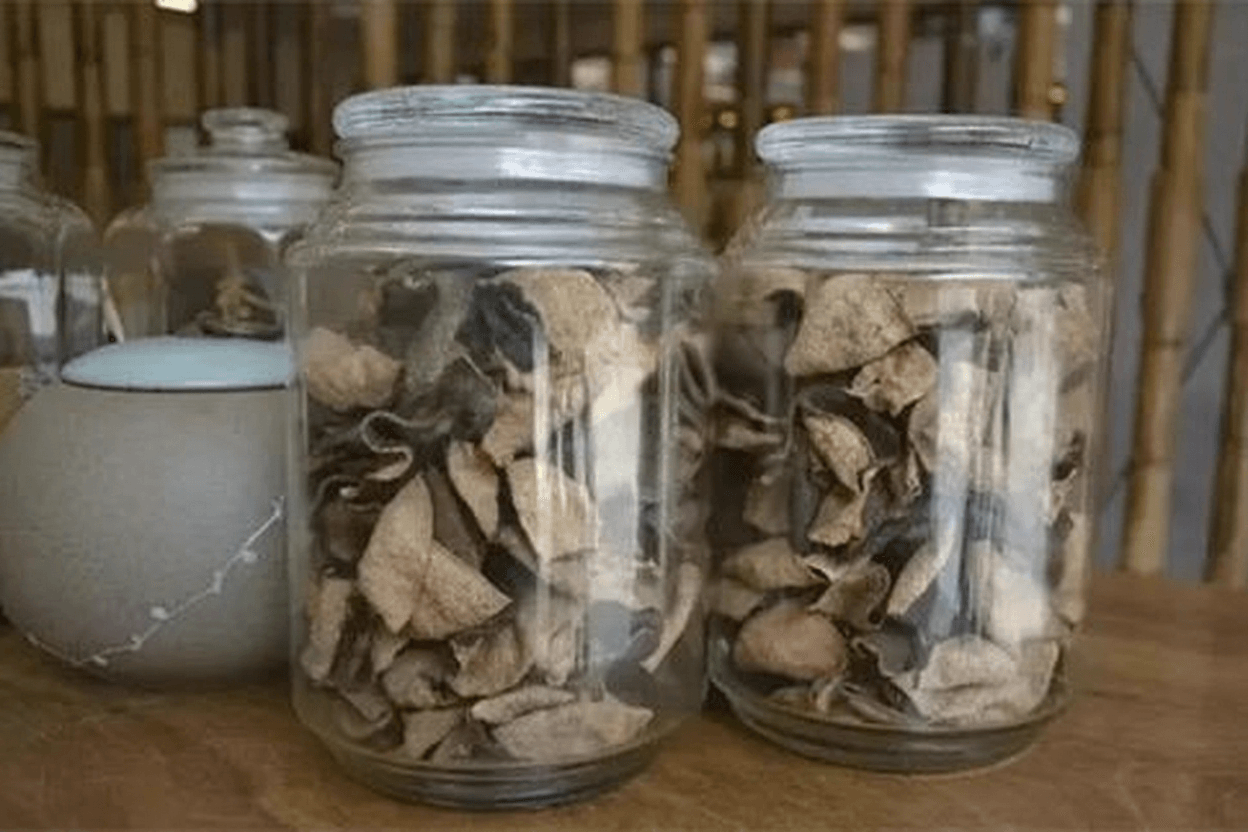
- Store for aging: Once fully dried, store the peel in cloth bags, cartons, burlap sacks, ceramic jars, or glass jars. Keep it dry and air it out periodically.
Storage Tips
- Environment: Avoid direct sunlight and heat sources, and keep airflow. In humid regions, store it away from walls, floors, and ceilings to reduce moisture.
- Temperature and humidity: A temperature range of 20°C–30°C is commonly used, and it is best to avoid temperatures above 40°C. Relative humidity is often kept around 45%–65% to reduce the risk of mold.
- Containers: In drier regions, glass jars or breathable mesh are commonly used. In humid regions, pay extra attention to moisture control; seal the container when humidity is high and air-dry on clear days.
Overall, the key steps are cleaning, cutting, drying, and aging, while storage focuses on ventilation, temperature and humidity control, and container selection.