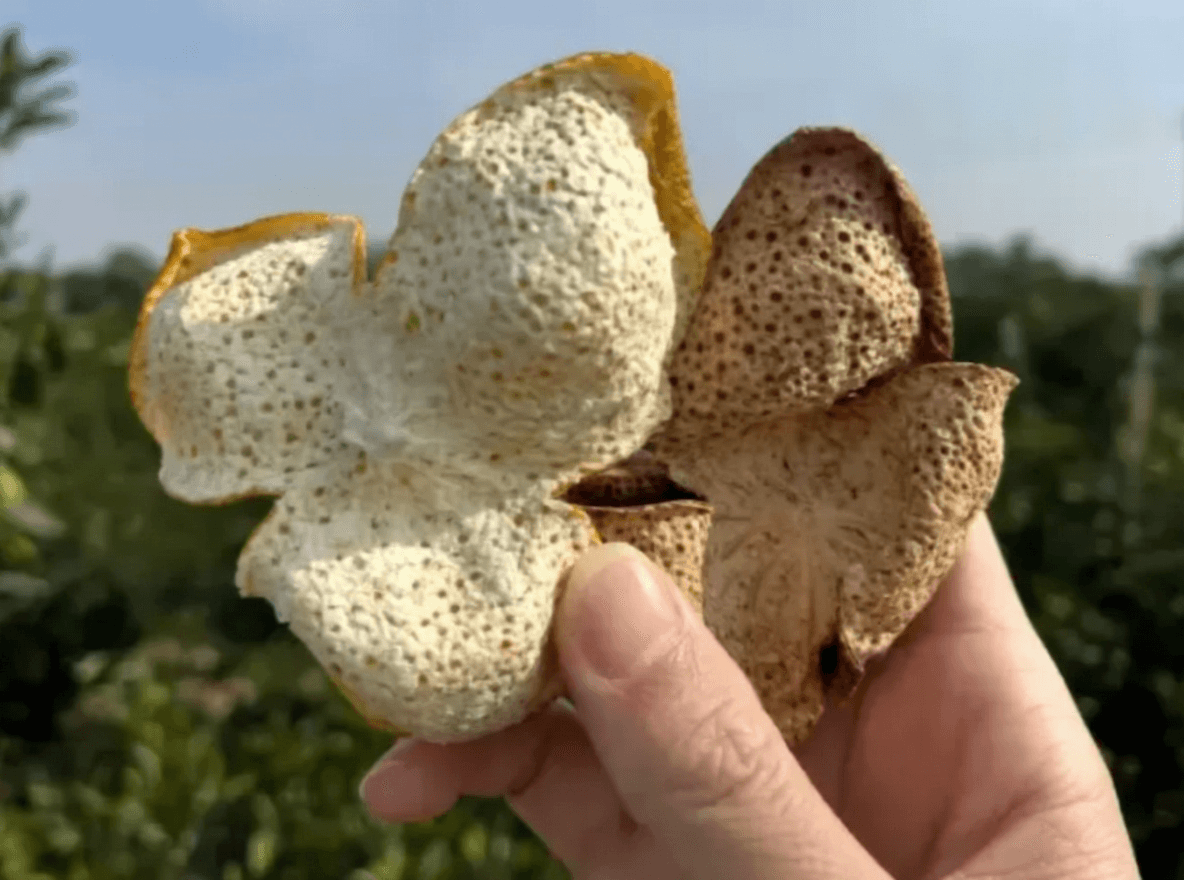
Many people mistakenly believe that drying leftover orange peels makes them Chenpi (dried tangerine peel) and use them directly for tea. In fact, unaged fresh orange peels not only have limited efficacy but may also irritate the stomach. True Chenpi requires the baptism of time and scientific transformation.
Dried Orange Peels Are Not Equivalent to Chenpi
In Traditional Chinese Medicine, "Chenpi" refers to citrus peels that have been dried and "aged." Drying is just the first step to remove moisture, while the aging process represented by the word "Chen" is the key to quality transformation.
Generally, citrus peels must be aged for more than 3 years to be called Chenpi. For daily tea brewing or medicinal use, varieties aged for more than 5 years are usually recommended.
The Core Value of Aging:
- Substance Transformation: During the aging process, the content of harsh volatile oils in the peel gradually decreases, while the beneficial flavonoids increase.
- Reduced Irritation: Fresh or simply dried peels have high volatile oil content, which can easily irritate the stomach and cause abdominal pain or diarrhea when consumed directly. Aged Chenpi is gentler in nature and has significant effects on strengthening the spleen and regulating Qi.
Correct Steps for Brewing Chenpi Tea
- Select Quality Chenpi: Choose high-year Chenpi that is pure and additive-free. High-quality Chenpi is reddish-brown on the outside with clear concave oil chambers; the inner surface is light yellowish-white, and the texture is hard and brittle.
- Clean and "Wake" the Peel: Since Chenpi is stored for a long time, it should be rinsed with clean water to remove dust before brewing. A sophisticated practice is to "wake the peel" with warm water first to let it slightly unfold.
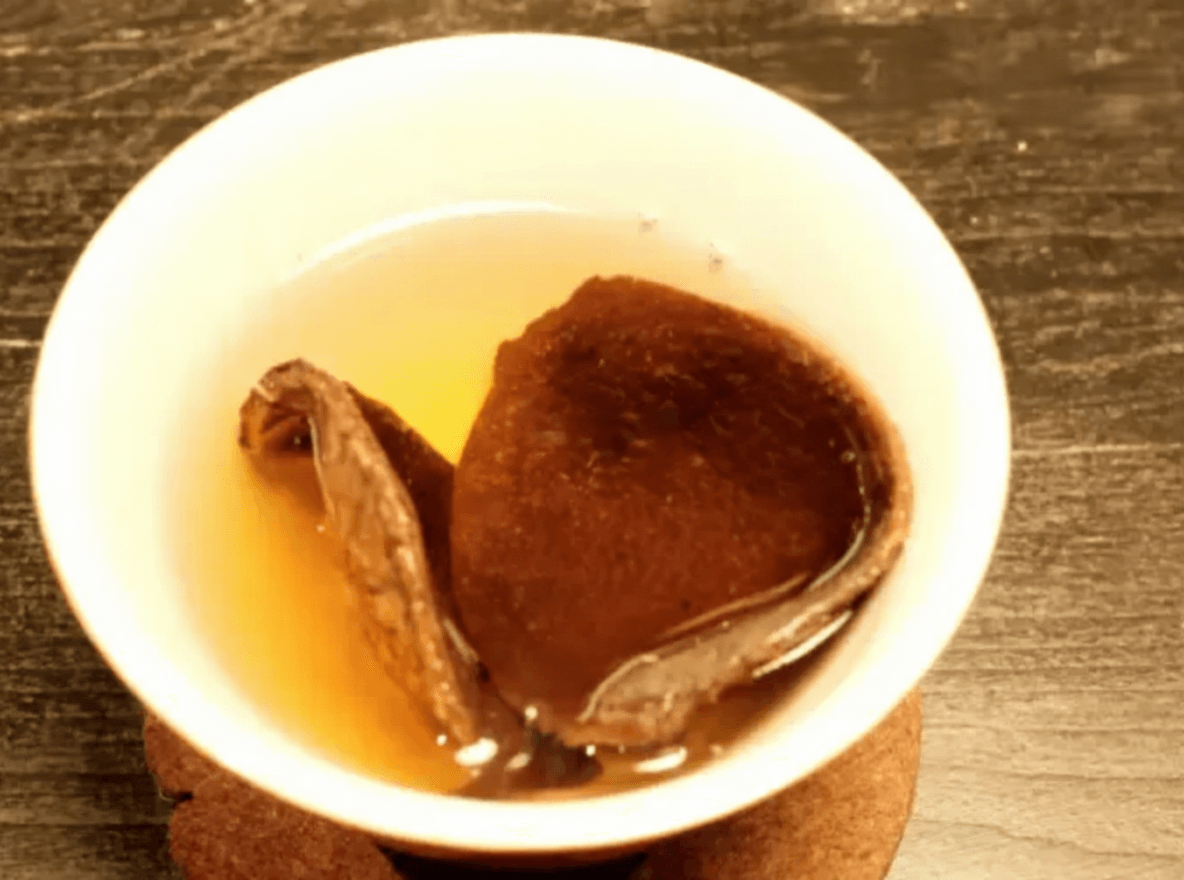
- Brew with Boiling Water: Place the Chenpi in a cup and pour in 100°C boiling water. It is recommended to cover the cup and let it steep for about 5 minutes until the active ingredients are fully extracted and the tea color turns yellow before drinking.
Contraindications for Drinking Chenpi Tea
- Avoid Empty Stomach: Chenpi stimulates gastric acid secretion. Drinking on an empty stomach may lead to acid reflux and nausea.
- Avoid Excessive Consumption: Chenpi is warm and drying. Long-term excessive consumption can easily lead to internal heat.
- Avoid Taking with Medication: Active ingredients in Chenpi may interfere with drug metabolism enzymes. Consult a doctor during medication.
- Avoid Raw and Greasy Food: While drinking Chenpi tea, reduce the intake of raw, cold, or greasy foods to avoid affecting the efficacy of regulating Qi and strengthening the spleen.
In summary, the value of Chenpi lies in its "aging." Only by choosing the right Chenpi and mastering scientific brewing methods can its health benefits be truly realized.