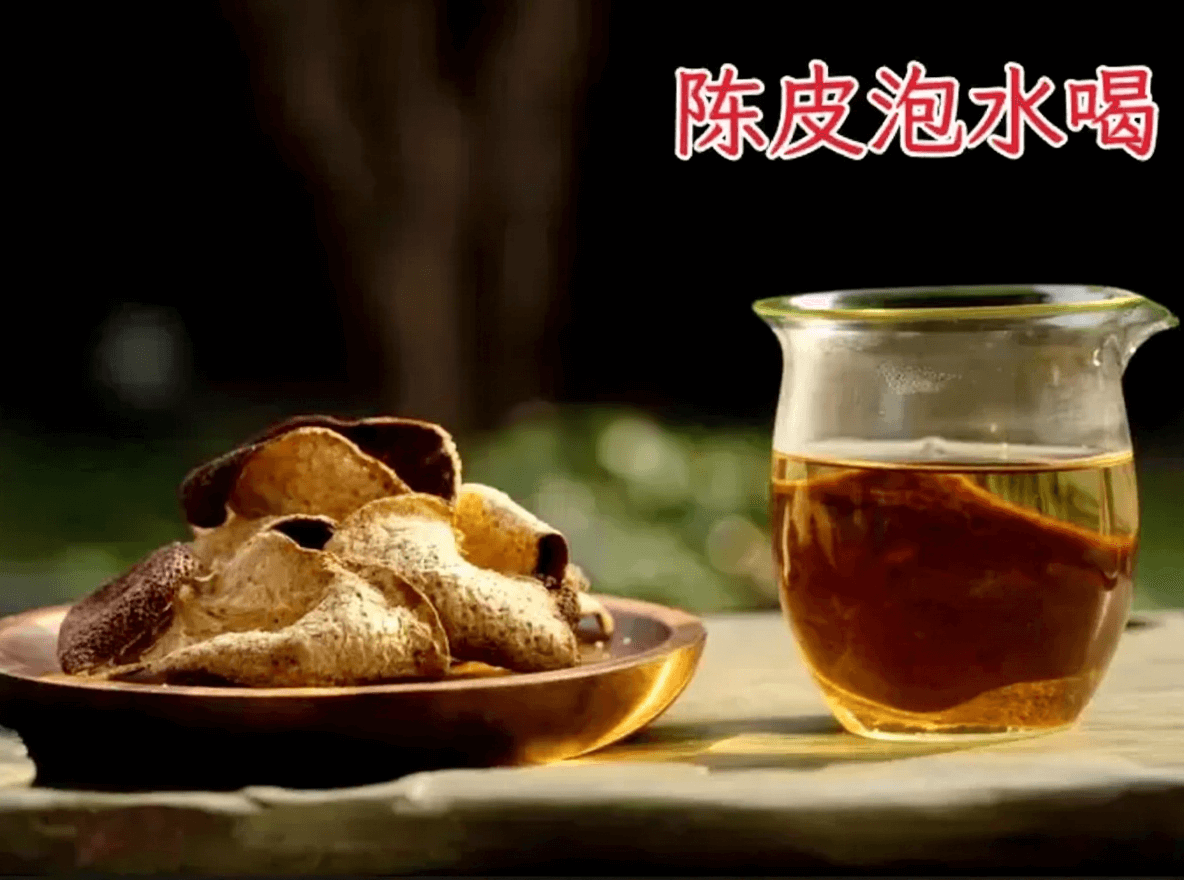
When brewing Chenpi (dried tangerine peel), the color of the tea is often a focus of attention. Some believe that the darker the tea color, the more nutrients are extracted and the higher the quality. However, this is not necessarily true. The color of Chenpi tea is influenced by a combination of factors and cannot be judged simply by its depth.
Common Colors of Chenpi Tea
Generally, tea brewed from authentic Chenpi predominantly features pale yellow, orange-yellow, or golden yellow tones. These colors represent the natural extraction of internal substances from the Chenpi.
Key Factors Influencing Tea Color
- Impact of Age: While it is commonly thought that older Chenpi produces a darker tea, this is not an absolute rule. Older Chenpi tea does tend to be more orange-yellow or reddish-brown and clear, but if the quantity used is small or the steeping time is short, the color will still be light. Conversely, if too much young Chenpi is used, the tea can appear very dark.
- Brewing Method: Steeping time is a direct factor. The longer the steeping time, the more substances are extracted, and naturally, the darker the color.
- Variety and Quality: High-quality Chenpi, such as that from Pubei, typically produces bright, clear tea that is not turbid. Poor-quality or artificially aged Chenpi may produce an unnaturally dark color lacking transparency.
How to View Tea Color Scientifically?
Tea color can serve as a supplementary reference for judging Chenpi quality, but it is by no means the only standard. Under specific brewing conditions (such as the same tea quantity and water temperature), changes in tea color can reflect the aging degree of the Chenpi.
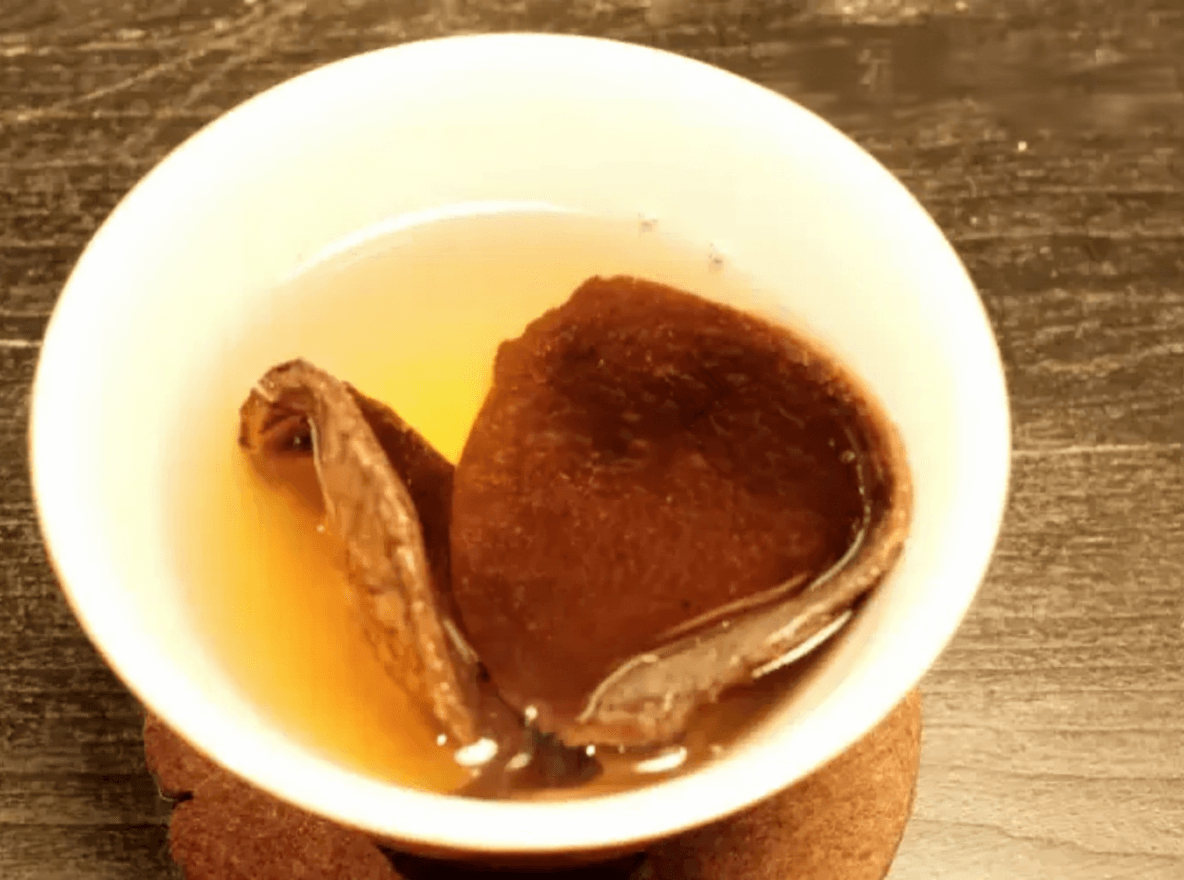
Summary and Suggestions: The tea of high-quality Chenpi should be bright and transparent. Rather than chasing depth of color, one should focus on whether the tea's aroma is mellow and whether its taste is sweet. Drinking Chenpi tea in moderation to enjoy its Qi-regulating and spleen-strengthening effects is the core of health preservation.