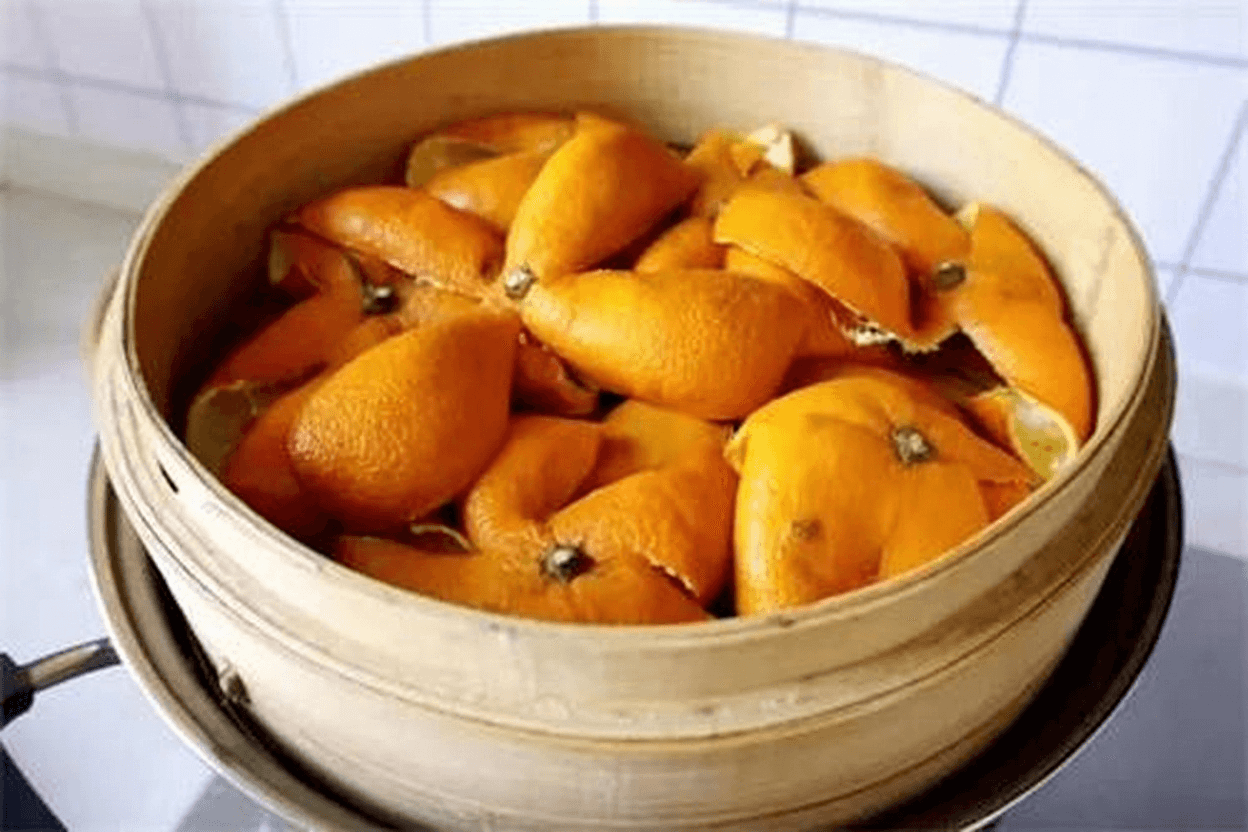
Chenpi is made from citrus peel. For home production, two common approaches are the “three-steam three-sun-dry” method and direct air-drying. Whether to steam usually depends on the desired aging pace and flavor direction. Below is a concise comparison.
Key differences between steaming and not steaming
- Component changes and flavor direction
Key components of chenpi include volatile oils and flavonoids. Steaming with high-temperature vapor can accelerate release and transformation of volatile oils, often leading to a softer aroma and taste. Air-dried chenpi tends to undergo a slower, more gradual transformation.
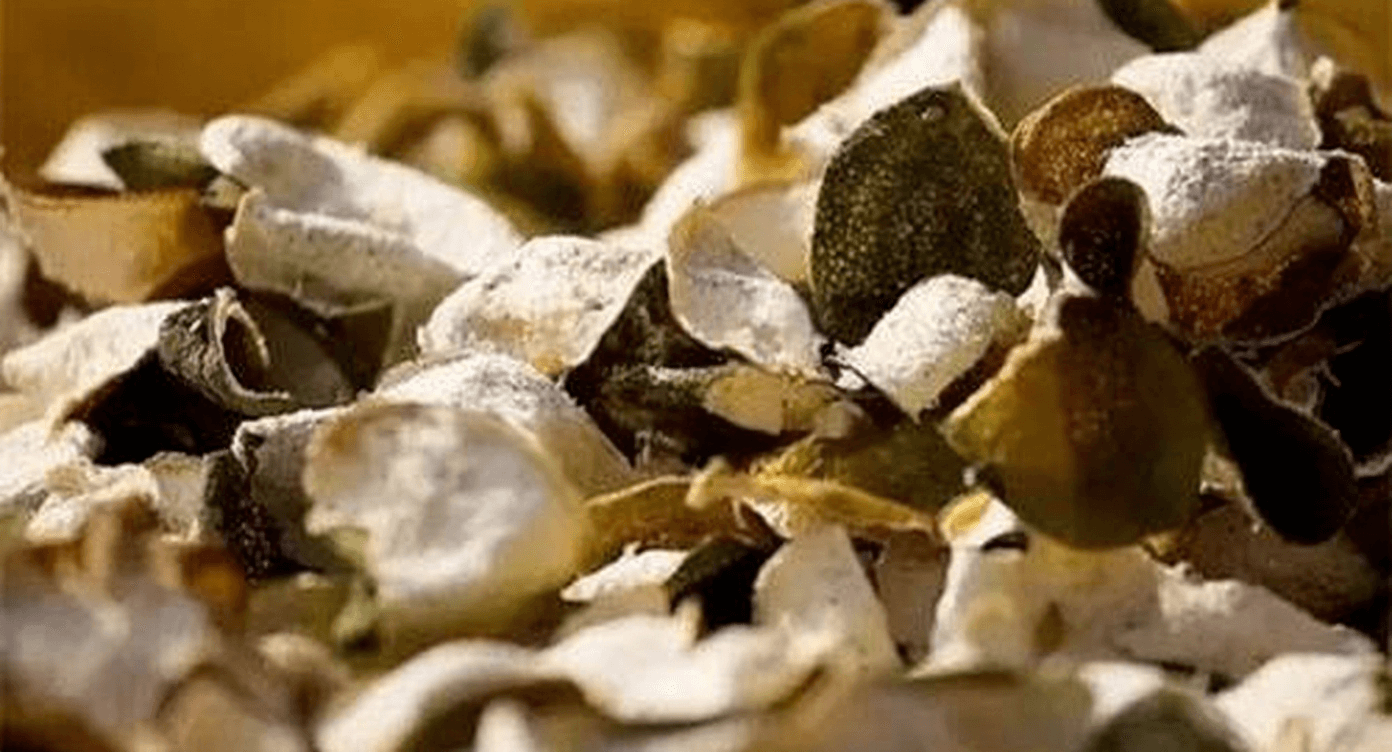
- Aging pace and storage needs
Steamed chenpi generally matures faster, but may have less room for long-term aging changes. Air-dried chenpi ages more slowly and requires more time and stable storage conditions, making it better suited for long-term aging.
- Traditional use contexts
In traditional practice, steamed and unsteamed chenpi are often described with different pairing preferences. These distinctions are rooted in traditional experience and should be considered alongside individual conditions and professional advice.
Which method to choose
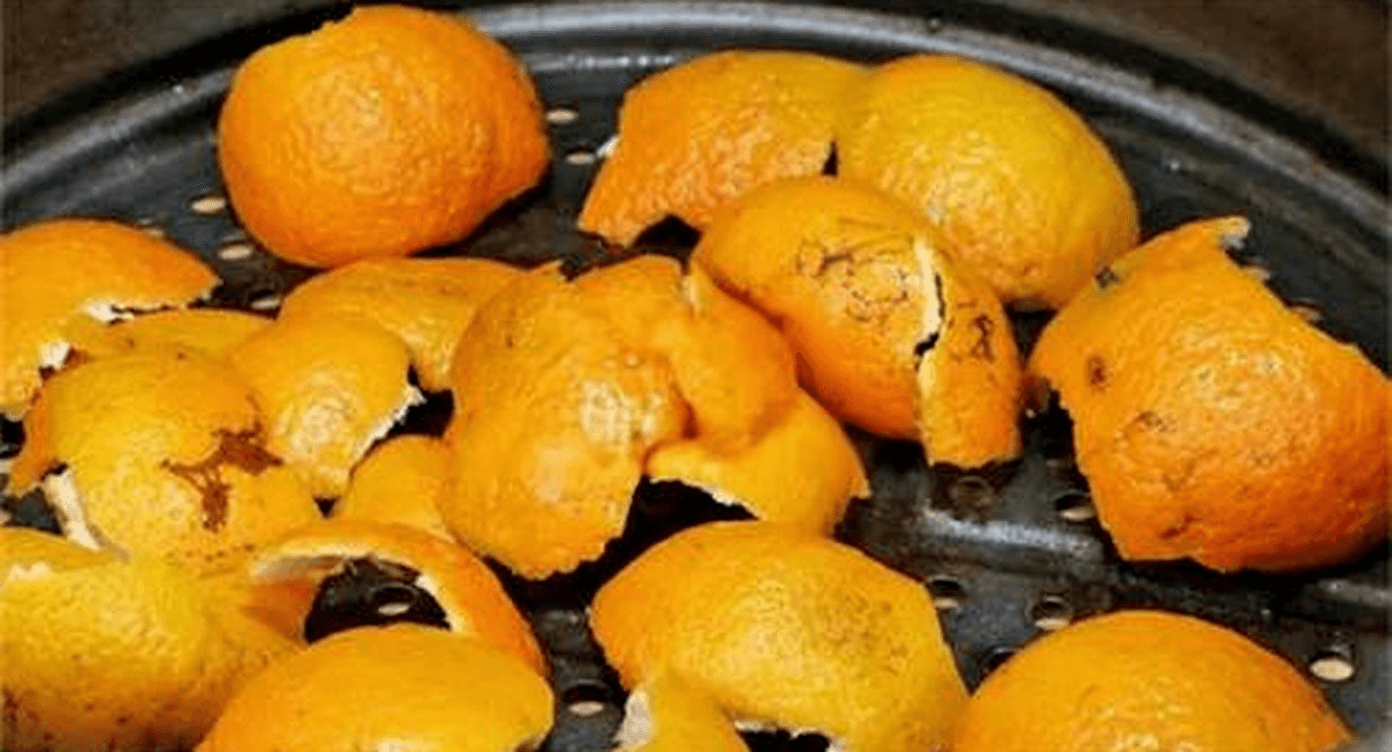
If you want a usable result within a shorter period, steaming can shorten the transformation cycle. If you prioritize long-term aging and flavor development, direct air-drying is more aligned with that goal. The choice should reflect your timeline, storage conditions, and personal preference.
In the process, steam first or dry first
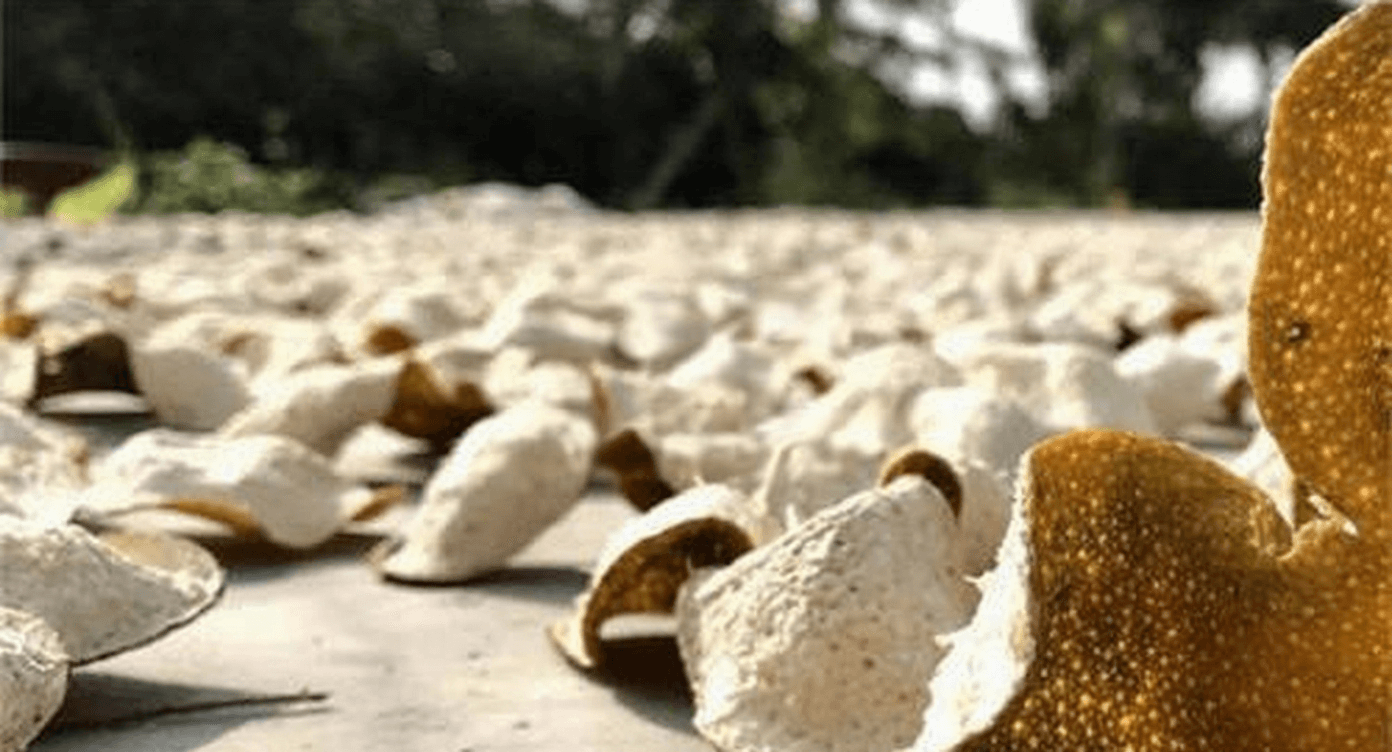
Whether steamed or not, drying is required. For the “three-steam three-sun-dry” method, the common sequence is to steam first and then dry, alternating the two steps for a total of three cycles. This helps speed up moisture removal and can improve storage stability early on.
After the final drying, the peel can be stored. During storage, periodic inspection and re-drying help reduce the risk of dampness, mold, or spoilage.