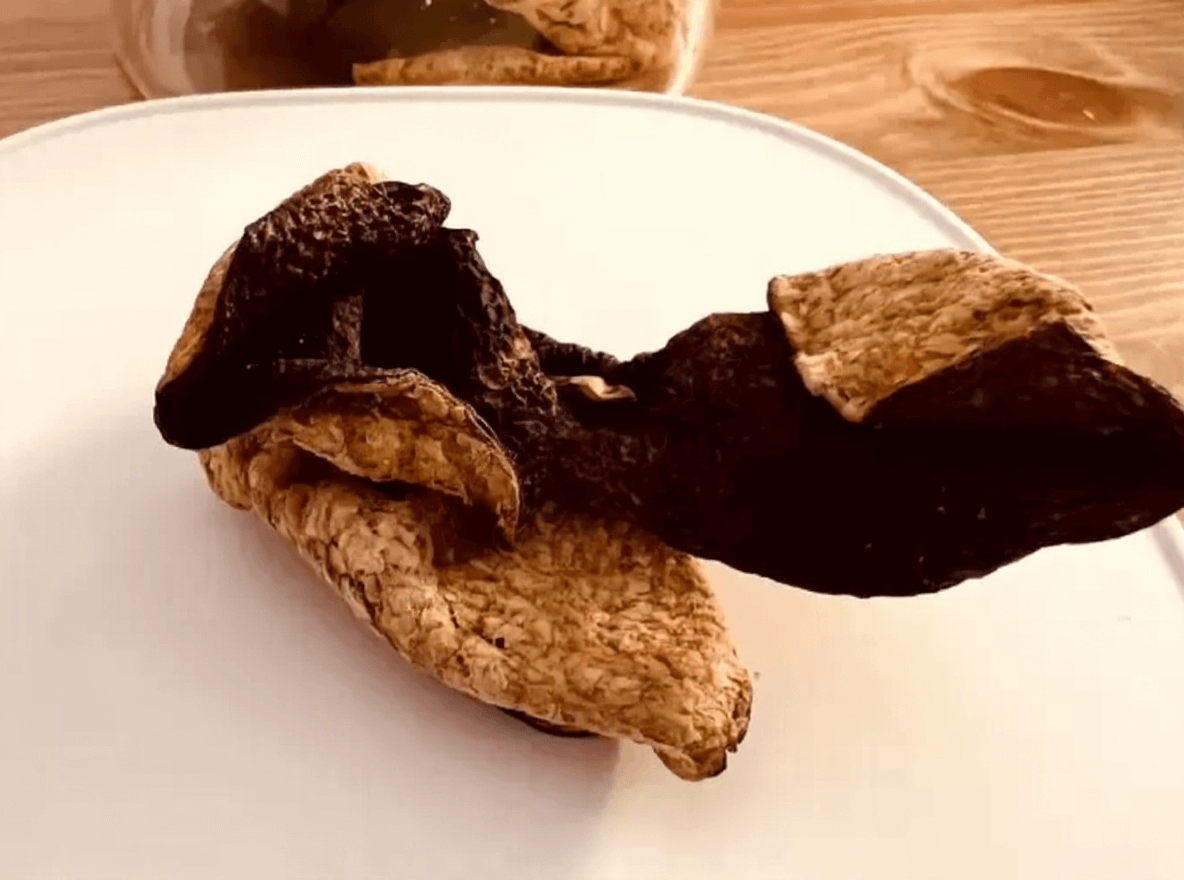
Chenpi is traditionally associated with regulating qi, supporting digestion, and drying dampness to resolve phlegm, so questions about whether old or new chenpi is “better” are common. In practice, there is no absolute winner; suitability depends on purpose and personal preference.
Differences in Aging Years
Old chenpi generally refers to long-aged chenpi, but there is no single industry standard. Some descriptions use 10 years as a threshold, while others suggest longer.
New chenpi typically refers to shorter-aged chenpi. After drying and a period of aging it can be used, but there is no strict universal cutoff.
Common Views on Flavor and Use
Some materials note that old chenpi tends to be mellower in aroma and taste and is considered more gentle, while new chenpi has a fresher, more pronounced aroma due to its volatile components. New chenpi is therefore often used in cooking or daily brewing. Some also note that new chenpi is usually sufficient for daily infusion or adjustment.
Practical Notes
Whether choosing old or new chenpi, consider your constitution and intended use. If it is for health-related purposes or used in formulas, consult a professional first.