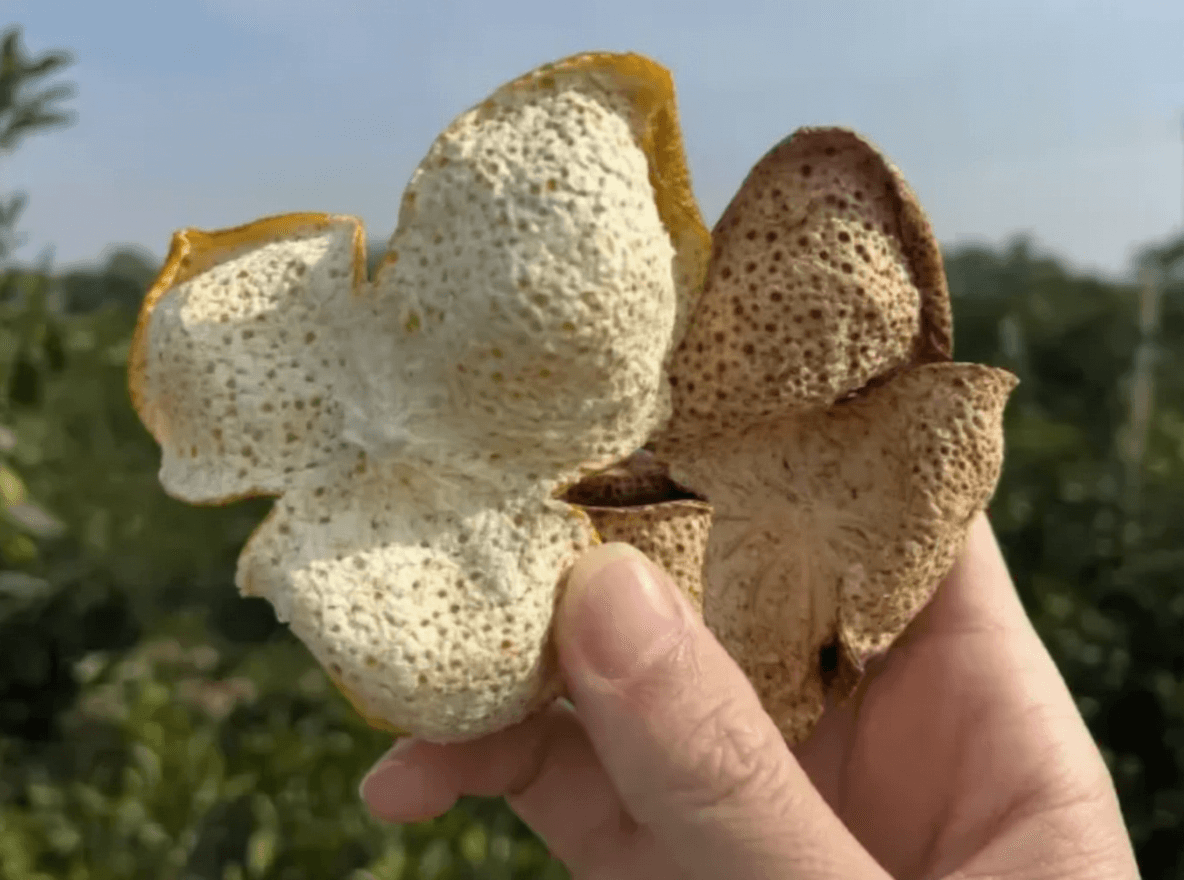
“Is 5-year or 10-year chenpi better?” is a common question. In general, longer aging is associated with a mellower aroma and taste, but older is not automatically better for everyone.
Chenpi quality is influenced by raw material, processing, and storage conditions. Even with similar aging years, different batches can vary.
Commonly Noted Differences
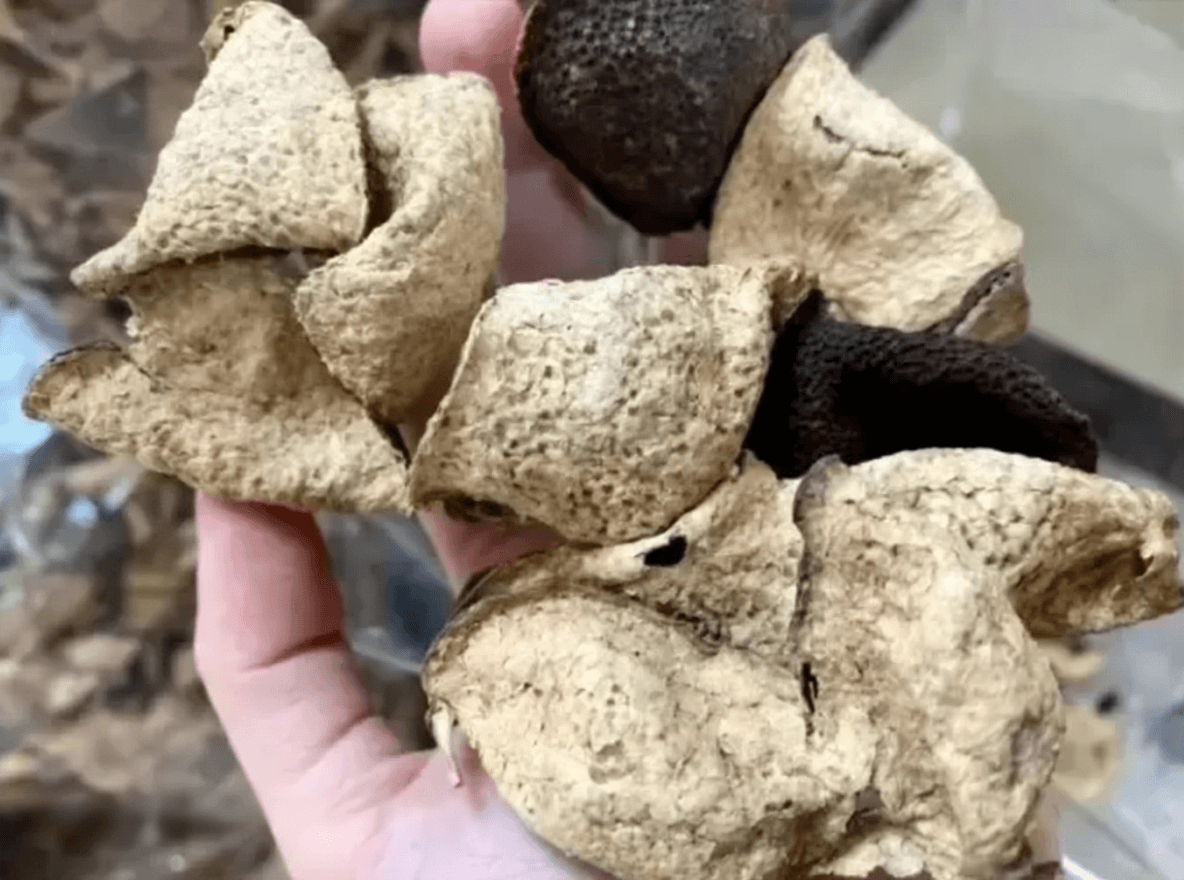
- Five-year chenpi usually shows clear aging characteristics with a fresher aroma, while ten-year chenpi often has a more rounded aroma and a smoother taste after longer aging.
- In traditional descriptions, longer-aged chenpi is often viewed as “milder,” but actual experience varies by person.
Changes During Aging
Some materials note that volatile oils may partially volatilize or transform during aging, which can change the aroma profile. Flavonoid-related components may also shift in proportion. These changes are often used to explain flavor differences across aging years, but they do not guarantee specific effects.
Summary
Overall, 10-year chenpi is commonly considered more mature in aroma and taste, but “better” depends on your purpose and preference. For daily brewing, 5-year chenpi is often sufficient; for a richer flavor profile, 10-year chenpi may be preferred. If you plan to use it for health-related purposes, consider your situation and consult a professional.