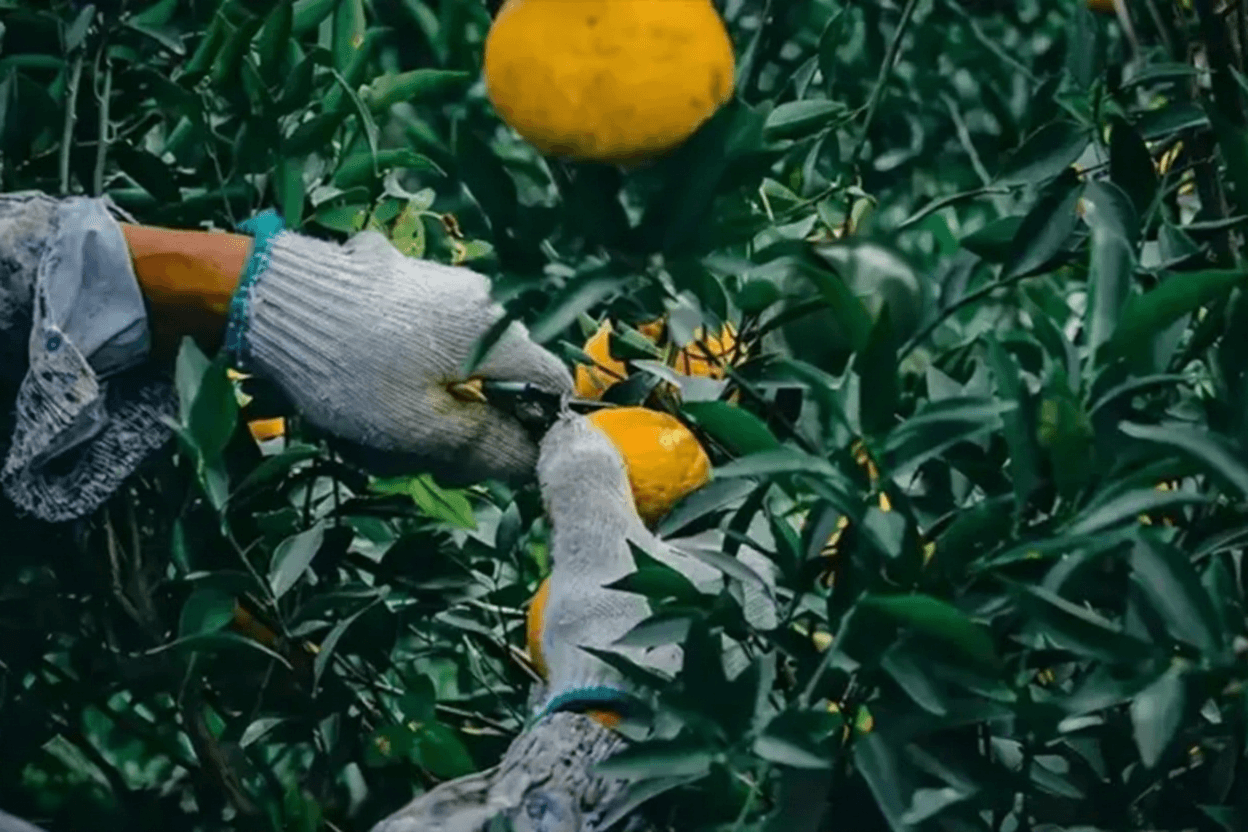
Pubei chenpi commonly uses two sources of citrus: air-layered trees and grafted trees. Because they differ in cultivation method, yield, and storage difficulty, their market positioning also differs. Grafted-citrus chenpi is not “worthless”; it simply occupies a different place than air-layered citrus.
Market Supply
Air-layered trees are more vulnerable to disease, require higher cultivation costs, and have shorter lifespans, so yields are limited and supply is relatively scarce. Most chenpi in circulation today comes from grafted citrus, which has become the main market source.
Storage Difficulty of Air-Layered Citrus
Air-layered citrus is often regarded as having more prominent sweetness and aroma, but it is also more demanding in storage conditions. Without proper storage, it is more prone to mold or pest issues.
Value Positioning of Grafted-Citrus Chenpi
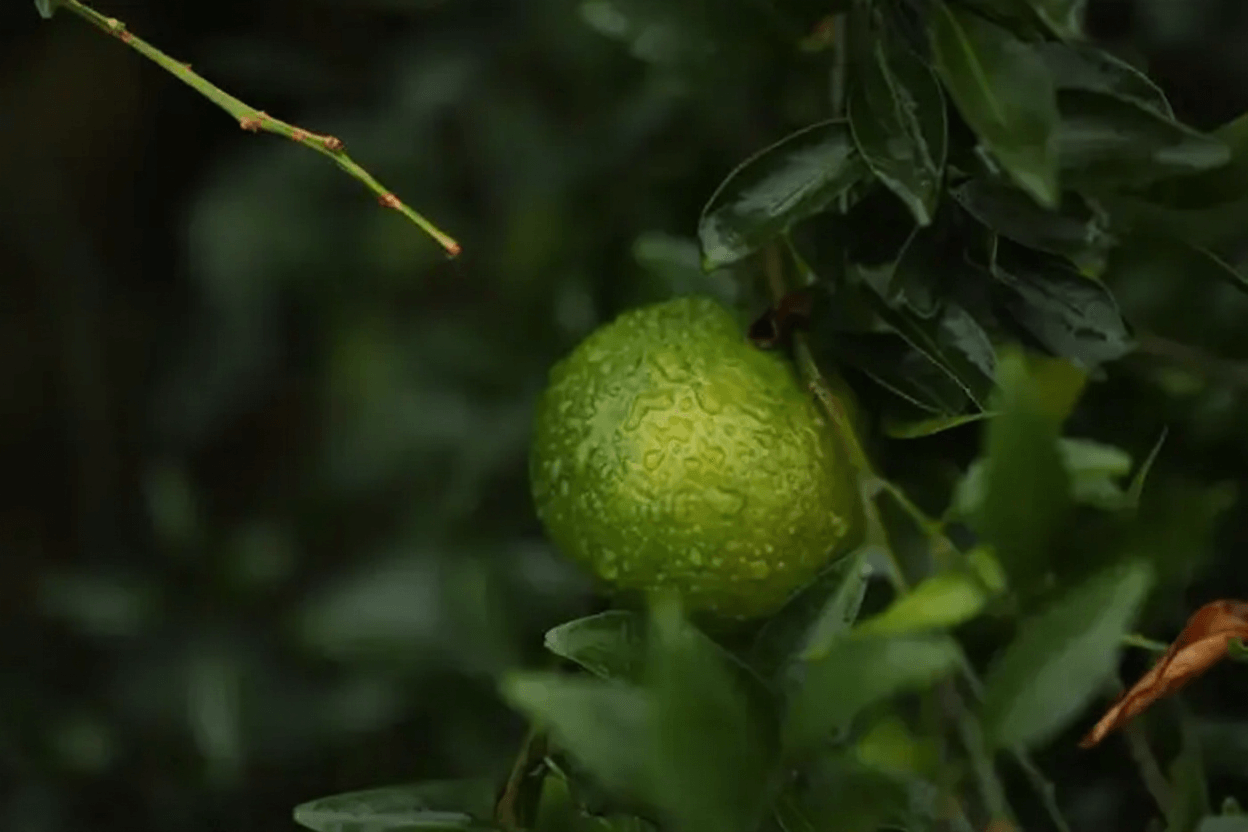
Grafted citrus is propagated through grafting, offering more stable supply and supporting scaled production. Its flavor profile differs from air-layered citrus, but it still retains the basic characteristics and usability of chenpi. In practice, provenance, processing, and storage conditions should carry more weight than the “grafted vs air-layered” label alone.