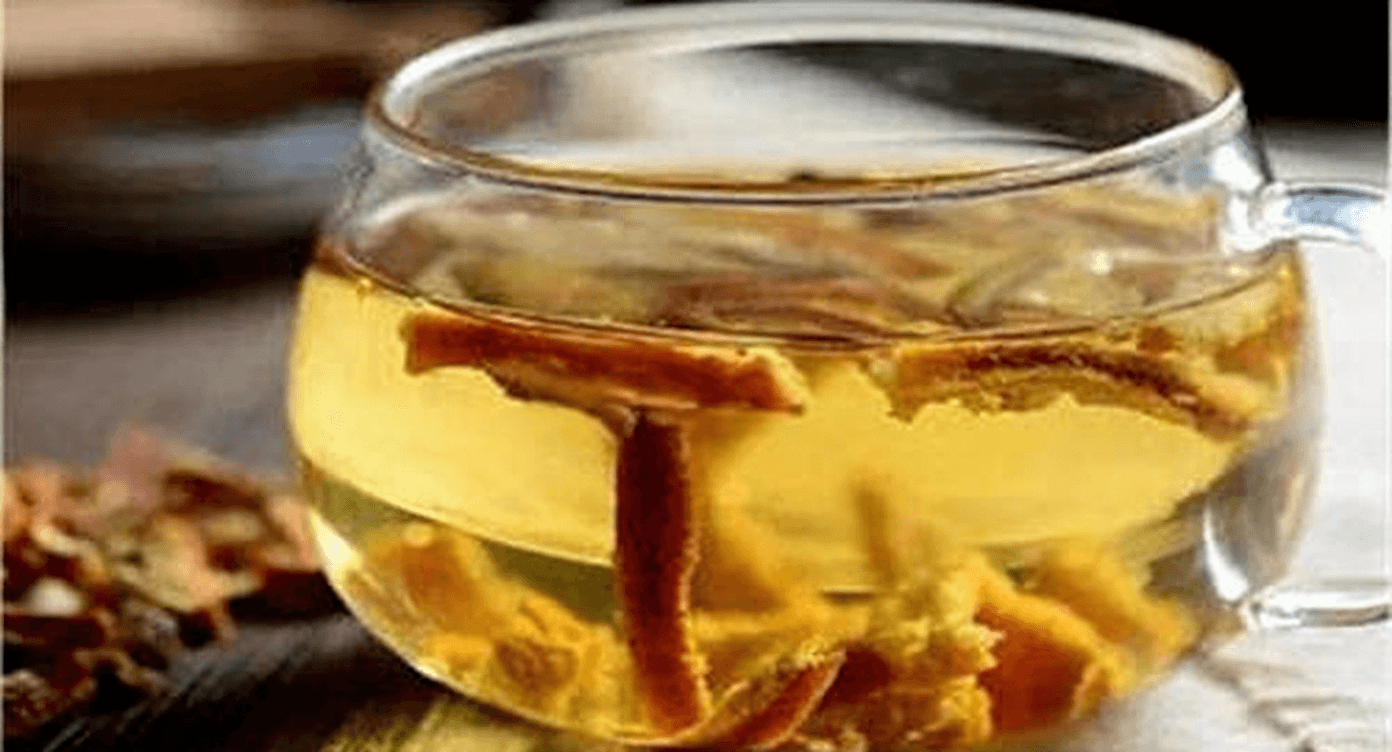
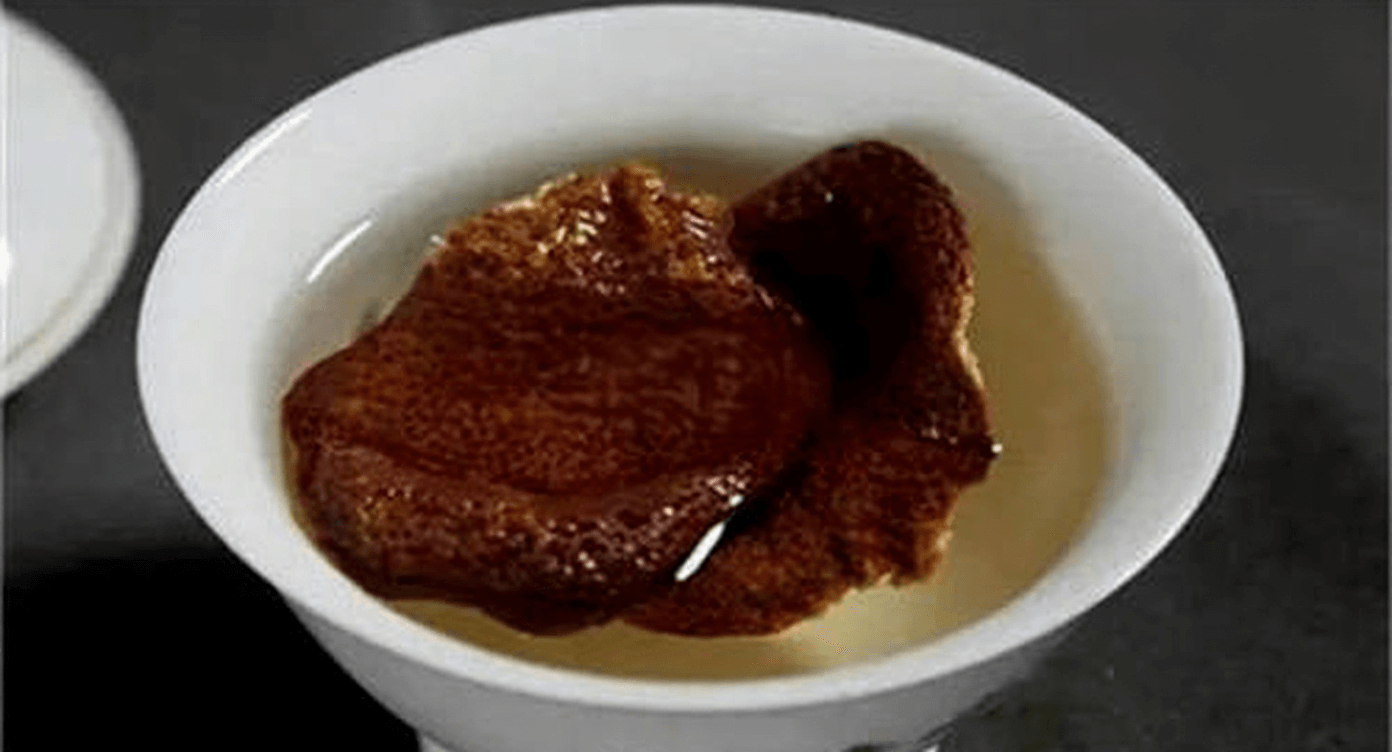
In most cases, chenpi does not smell strongly sour. Its aroma is typically clean and aged. Sometimes the brewed tea may have a faint sour note, which is often subtle. This can be related to the raw material, aging time, maturity, variety, or storage conditions.
Common reasons for sour notes in brewed chenpi tea
- Raw material and origin differences
Aroma and taste can vary by origin and raw material. Some sources may yield tea that is more sour, bitter, or astringent.
- Shorter aging time
Younger chenpi can show more fruit-acid notes. Many tasting practices prefer longer-aged peel for a more balanced flavor.
- Insufficient fruit maturity

Maturity affects flavor. Less mature fruit can produce peel that tastes more sour or bitter, while more mature fruit tends to be more aromatic and mellow.
- Regional and climate differences
Climate and growing conditions vary by region and year, which can influence the final flavor profile.
- Variety or type differences
Different varieties or types can differ in aroma intensity and sweetness. Some are cleaner and sweeter, while others may carry a slight sourness.
- Storage conditions
When stored for long periods in relatively sealed, low-oxygen environments, chenpi can undergo slow component changes that may yield a mild sour note in tea.
Simple handling tips
If the sourness is very light, it is usually not a concern. If it is pronounced, consider switching the raw material, adjusting the brewing ratio and time, or adding a mild flavor adjustment to suit your taste.