Overview of Chenpi's Pharmacological Mechanisms
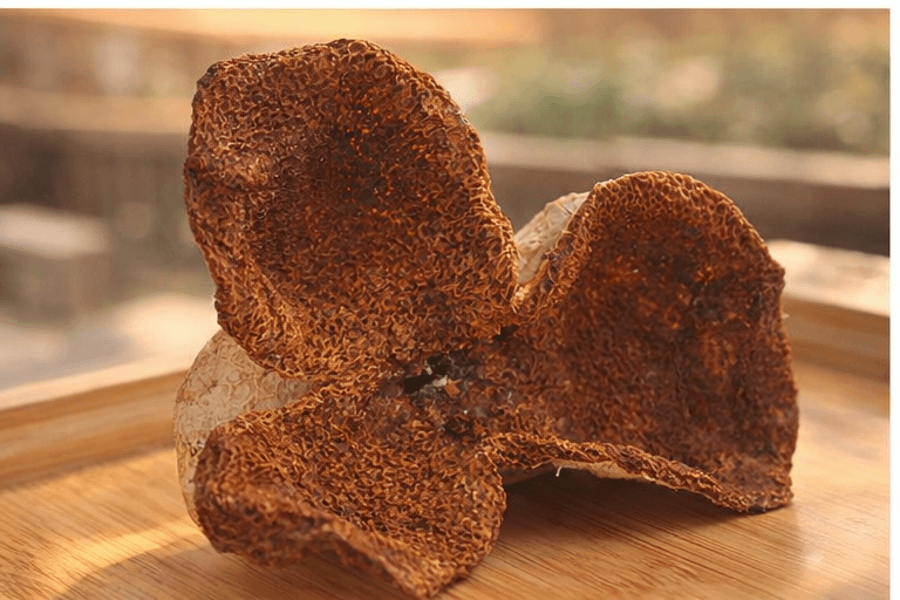
Pubei Chenpi, as a traditional Chinese medicinal material, has undergone extensive modern scientific research that has gradually revealed its multi-faceted mechanisms of action. The main active components of Chenpi include volatile oils and flavonoid compounds, which together form the foundation of its unique pharmacological effects.
Digestive System Regulation Mechanism
Promoting Gastrointestinal Motility
The volatile oil components in Pubei Chenpi can effectively promote gastrointestinal motility by regulating the SCF/c-Kit signaling pathway and intestinal flora, playing a positive role in alleviating slow transit constipation. Studies have shown that Chenpi volatile oil can stimulate gastrointestinal smooth muscle contraction and enhance intestinal propulsion function.
Inhibiting Fat Digestion
The polymethoxyflavone compounds abundant in Chenpi, such as nobiletin and tangeretin, can bind with bile salts to enhance interfacial migration ability, thereby inhibiting lipase activity and reducing lipid absorption. This mechanism provides scientific basis for Chenpi's application in weight management.
Anti-inflammatory and Immunomodulatory Effects
Regulation of Inflammatory Factors
The volatile oil components in Pubei Chenpi effectively inhibit LPS-induced pro-inflammatory mediator secretion by downregulating the mRNA expression of pro-inflammatory genes such as TNF-α and IL-6, exerting significant anti-inflammatory effects. This mechanism is important for understanding Chenpi's application in treating inflammation-related diseases.
Respiratory System Protection
The limonene component in Chenpi has stimulating expectorant effects and can counteract bronchospasm caused by histamine, which explains the pharmacological basis for Chenpi's traditional use in treating cough with excessive phlegm.
Antioxidant and Cardiovascular Protection
Antioxidant Activity of Flavonoids
The flavonoid compounds in Pubei Chenpi, especially hesperidin, possess powerful free radical scavenging capabilities. These components can effectively neutralize reactive oxygen species in the body, reducing oxidative stress damage to cells.

Cardiovascular Protective Effects
Research has shown that active components in Chenpi have lipid-lowering and vascular endothelial function-improving effects. Components such as hesperidin and limonin can inhibit tumor cell proliferation while protecting cardiovascular system health.
Pharmacokinetic Characteristics
Absorption Characteristics
Different active components exhibit varying absorption characteristics: flavonoid glycosides (such as hesperidin) have high polarity with a time to peak of approximately 0.7 hours; polymethoxyflavones (such as nobiletin) require intestinal flora metabolism with a time to peak of approximately 1-3 hours; volatile oils (such as D-limonene) are absorbed through lipid-soluble diffusion with a time to peak of approximately 5 hours.
Plasma Exposure Levels
Studies have shown that hesperidin, nobiletin, tangeretin, and D-limonene have the highest plasma exposure levels, with AUC and Cmax significantly higher than other components, forming the important material basis for pharmacological efficacy.
Application Precautions
Drug Interactions
The flavonoid and furanocoumarin components in Pubei Chenpi may inhibit CYP450 enzyme activity, affecting the metabolism of drugs such as omeprazole. When used concomitantly with other medications for extended periods, monitoring plasma drug concentrations is recommended.
Contraindicated Populations
Patients with yin deficiency with fire, and excess heat patterns should avoid Pubei Chenpi. Pregnant women, lactating women, and children should use it under medical supervision. Patients with hypotension or gastric ulcers should use it with caution.
Conclusion
Modern pharmacological research has provided solid scientific evidence for the traditional efficacy of Pubei Chenpi. With deeper research, the application prospects of Chenpi in digestive system diseases, inflammation-related conditions, and cardiovascular protection will become increasingly broad.
References
- Pharmacopoeia of the People's Republic of China
- Compendium of Materia Medica (Ben Cao Gang Mu)
- Ming Yi Bie Lu (Miscellaneous Records of Famous Physicians)
- Modern pharmacological research literature